
Write a comment
Lima - An Editor's View

Lima - An Editor's View

Introduction to the amazing Peruvian capital

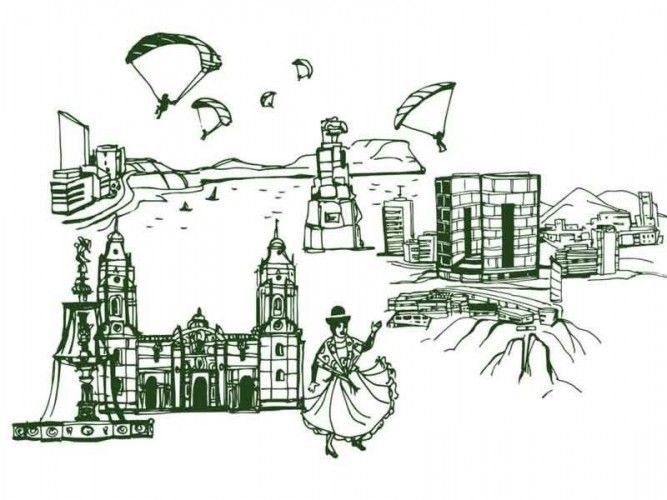
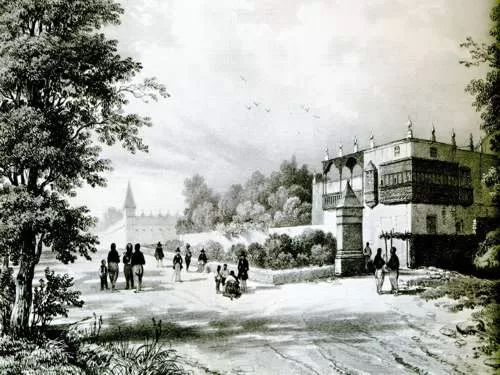
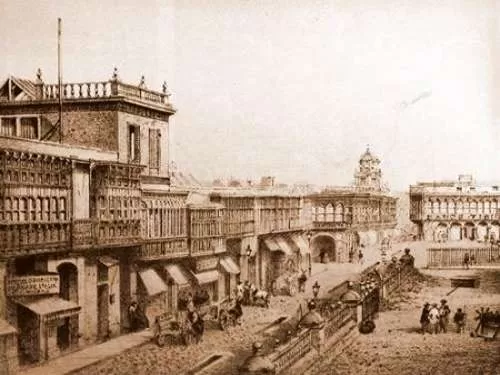
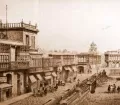
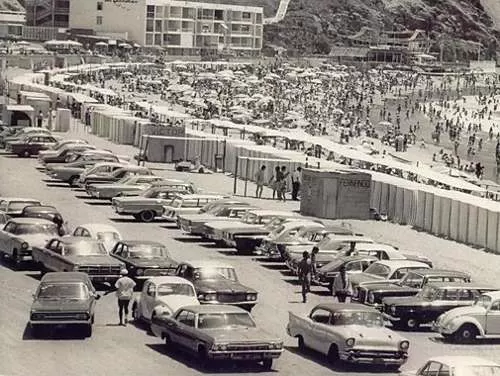
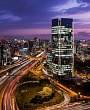
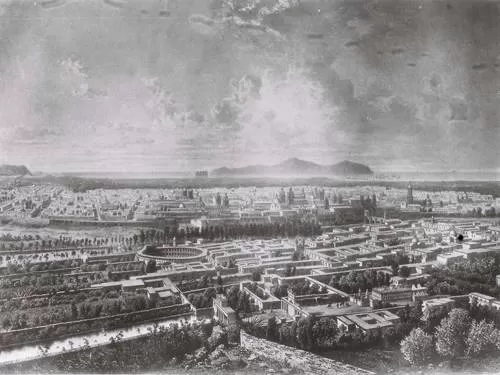
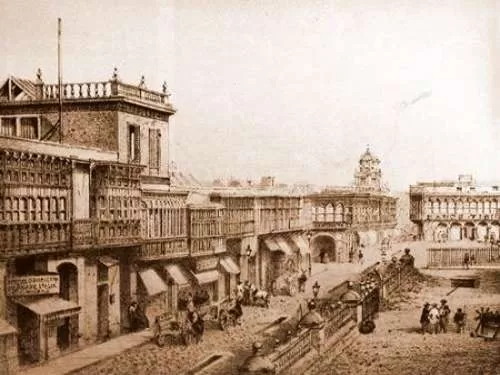
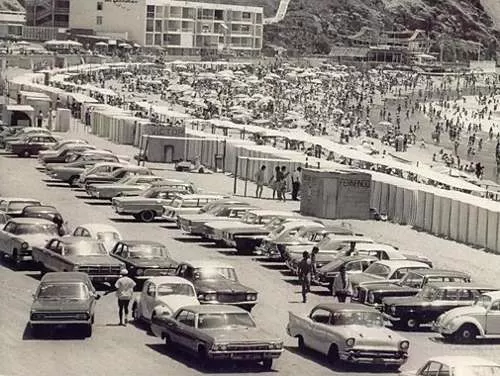
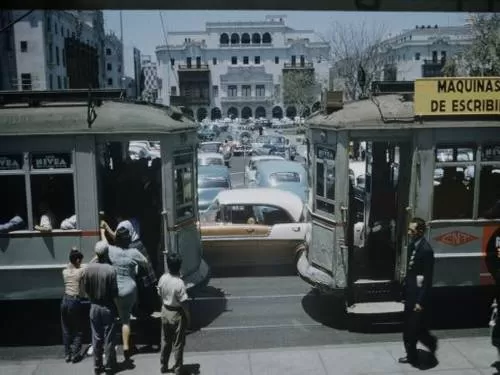
Lima today is no longer the wealthy, beautiful colonial settlement and most important city in the Americas like it used to be during colonial times; or the lovely capital of independent Peru with nice haciendas, fishing villages and lots of green surrounding it. Today Lima, with its over 9 million inhabitants, shantytowns and sometimes tatty facades, isn't attractive or seems to be inviting to its visitors.

Introduction

Arriving at the Lima International Airport with crowds of people offering taxi and hotel services and finally the ride to your hotel through Lima's chaotic traffic can be quite shocking or even scary, especially for those who heard good meant warnings about general safety and security in Peru's capital.
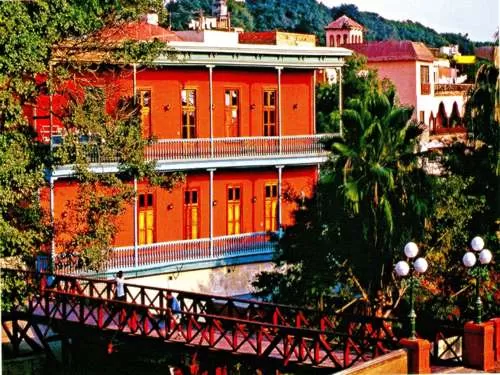
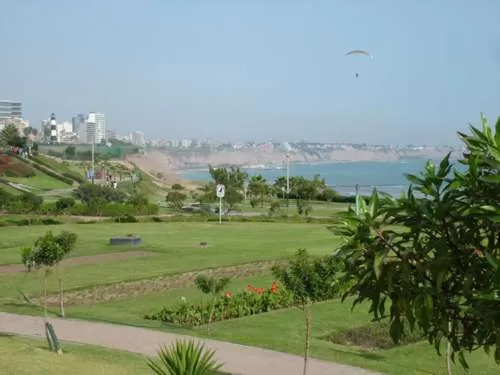
But Lima's first appearance to its visitors is deceptive. Lima is one of the most interesting and challenging cities in South America with a huge archaeological, historical, and cultural past. Most of its treasures might be well hidden, but are worth being discovered. For many visitors, Lima is just an unavoidable must; a sprawling, chaotic, dirty and ugly metropolis, the starting and ending point on their trip to more interesting and exciting gems Peru offers. But this assumption doesn't do justice to Lima.

Lima's decline

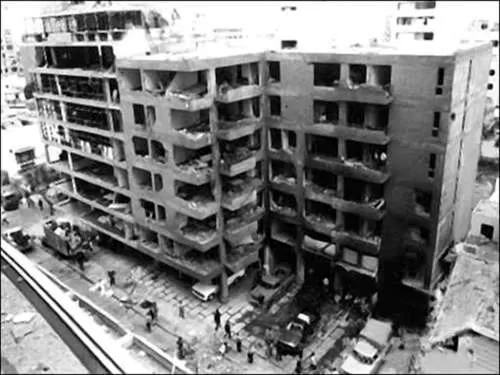
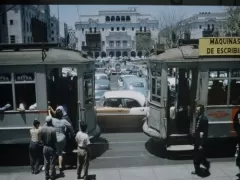
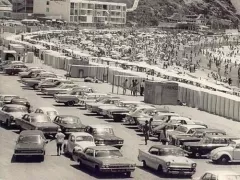
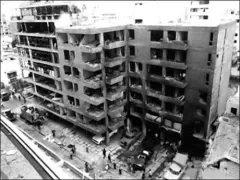
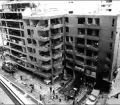
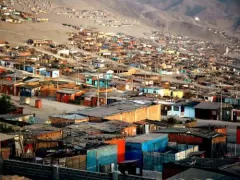
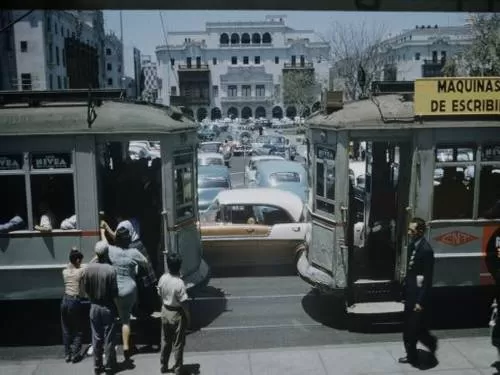
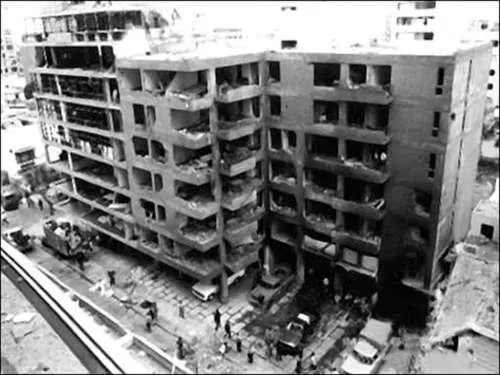
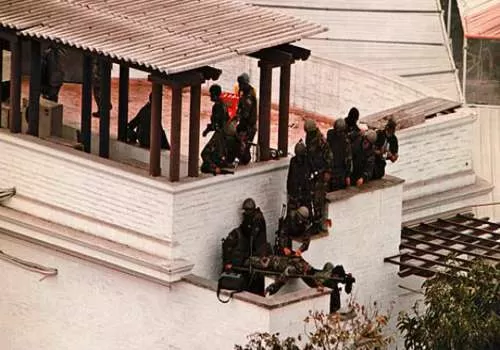
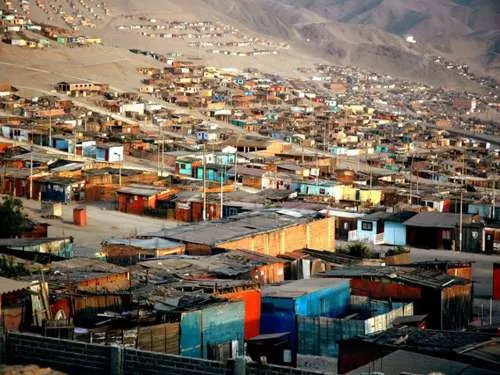
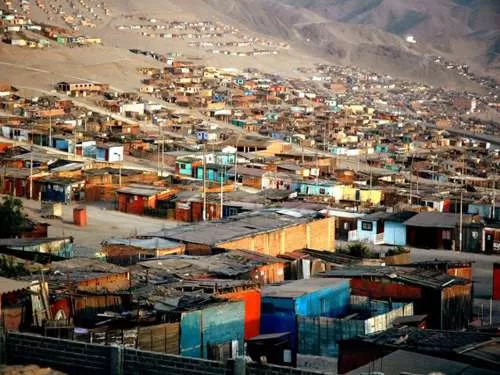
From the middle of the 20th century onwards, Lima had to cope with serious problems. Political and economic instability in Peru increased the overall poverty. Thousands of migrants from the Peruvian countryside came to the capital looking for work and a better life, building their homes in ever-growing slums that soon surrounded the city. Lima hit rock bottom in the early 1990s when even more people, fleeing the terror and poverty in the Andean highlands and jungle, flocked into Lima, just to find more terror, chaos and poverty. There was nothing positive to say about Lima.

But after many years of deterioration, Lima recovered with the beginning of the new millennium. Many years of hard work, from the municipality and its inhabitants, have turned some 'barrios' (shantytowns) into more or less pleasant districts, others stayed unbelievably poor without proper infrastructure. Here the city tried at least to improve living conditions, built hospitals, new schools and sporting areas. By far not enough, but at least a beginning.

Lima's recovery

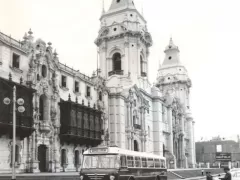
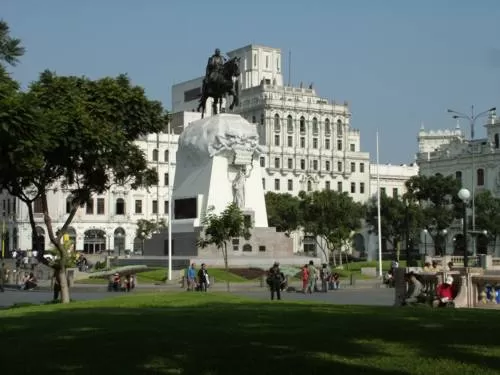
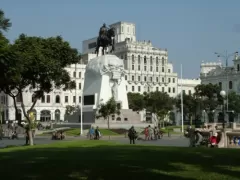
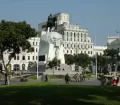
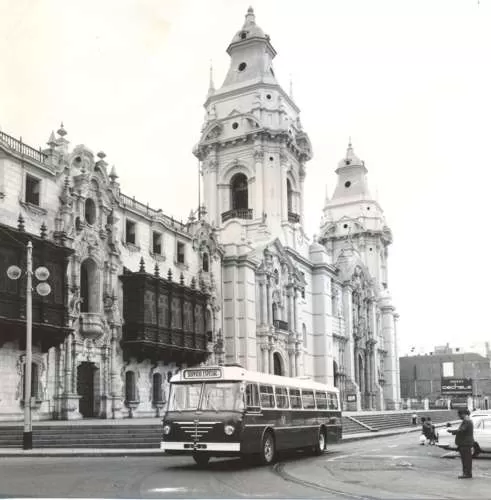
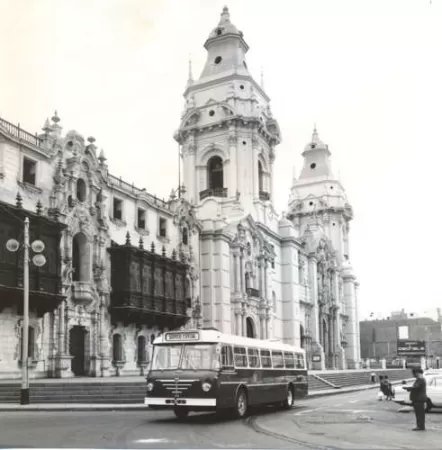
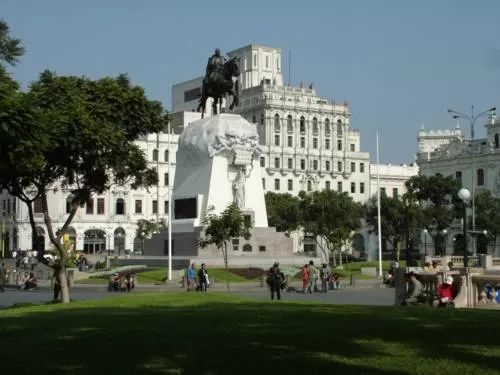
Since 1995 the Municipality of Lima has been implementing a successful recovery plan for the historic center of Lima, which was declared a 'Cultural Patrimony of Humanity' by the UNESCO in 1996. The Municipality of Lima 'cleaned' the city center in an effort to remove many of the persistent street vendors (unfortunately there is still quite a lot left) and dodgy figures. Programmes started by the government encouraged the citizens to be proud of their city, renovate buildings and 'shape up' streets and parks to recuperate the city's cultural heritage and of course to promote tourism. Also other major works in Lima's historical center like new illumination, remodelling of parks and plazas, the repaving of sidewalks with terra cotta, the planting of thousands of trees, more police presence on the streets and daily maintenance paid off. The city center is much safer and nicer to look at.
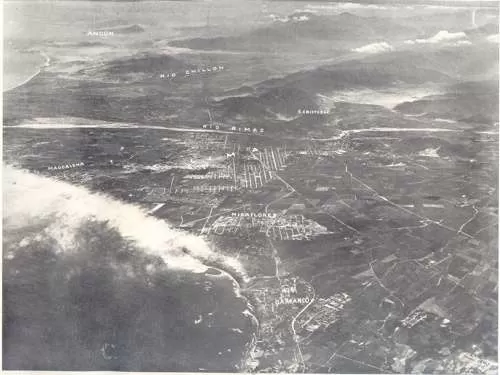
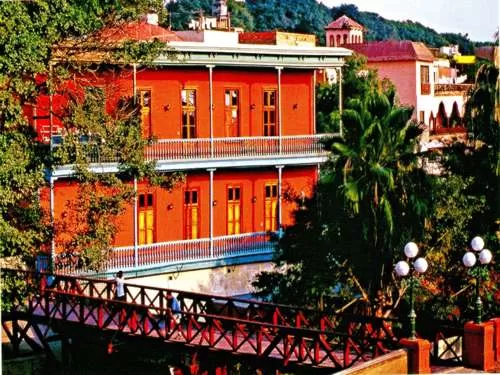
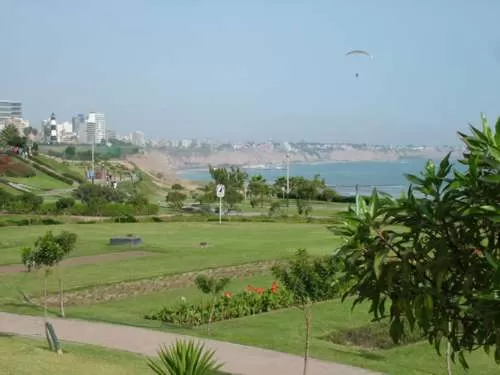
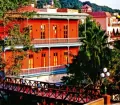
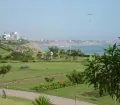
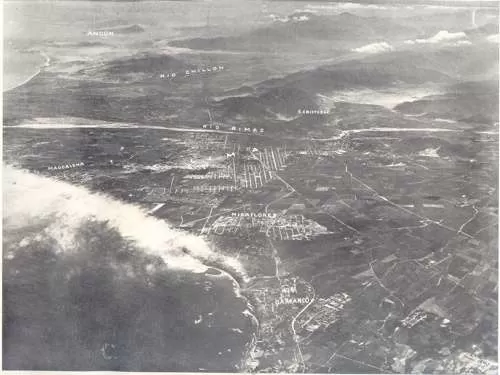
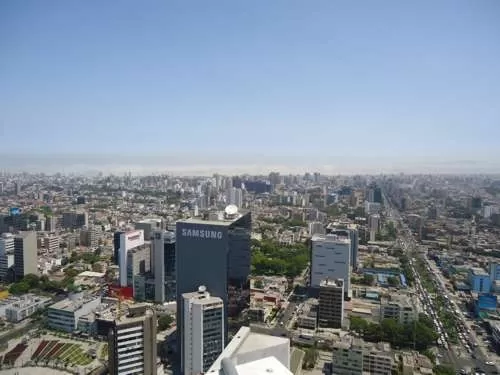
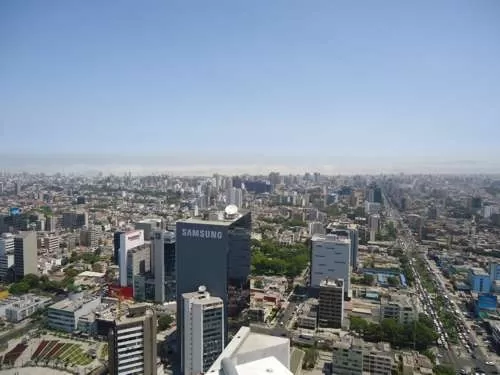
Around town, especially in the wealthier suburbs like Miraflores, San Isidro and Barranco, but also in lower middle-class areas, you can see changes every day. The district municipalities are eager to improve their districts, but unfortunately a lot of old houses are demolished and skyscrapers built on their place. Streets are repaved, parks and green areas are carefully looked after and finally the security for Limeños and tourists is improved with special police forces. As well, a good beginning is made, but there is still a lot to do...

Lima's slow, but steady improvements to becoming a tourist destination itself

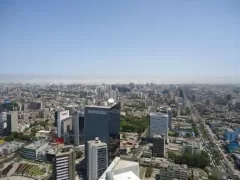
Many small steps have been made to stop Lima's deterioration and organize the chaos. There is much more to do, especially in the extremely poor outskirts. And authorities and inhabitants are willing and able to do so. Today Lima, with its hardly to cope with enormous population, about one-third of Peru's inhabitants of which around 50% live in poverty, is the seat of the Peruvian government and houses most of Peru's industry. Lima dominates the political, commercial and cultural life of the country and accommodates Peruvians and foreigners from different social and cultural backgrounds. Therefore Lima today has an amazing cosmopolitan atmosphere. The historic city center and districts among others like Miraflores, the City Center, Barranco and San Isidro have excellent cafes, bars and restaurants, which offer amazing Peruvian cuisine for fair prices and a nowhere else to find special charm for nothing. Huge shopping malls and fashionable shops let you forget that you actually are in a developing country. Many outstanding smaller and bigger museums, amazing ancient and historic buildings next to modern structures and the friendly and open "Limeños" introduce you perfectly to the rich history and culture the city and the country offers.
Seeing Lima just as gateway into Peru and rushing through this amazing city you might miss a vital part of what is Peru today. Lima is worth to be seen as a destination for itself. Take your time to acclimatize yourself, look behind the sometimes chaotic, dirty, unpleasant and ugly exterior and discover the highlights the metropolis Lima offers. You might be pleasantly surprised.

Hopefully this page, dedicated only to the amazing and crazy capital of Peru helps you to find your way through the city jungle and to discover the one or other hidden treasure.

Say something here...
characters left
or post as a guest
All comments MUST be in English and will be moderated before publishing.
They will appear below within 24 hours.
Loading comment... The comment will be refreshed after 00:00.

Be the first to comment.

Delicious Temptations

Lomo Saltado

Lomo Saltado is one of the most popular and iconic Peruvian dishes. It is a comfort food that can be found nearly everywhere in Peru, prepared at home for family and friends, in simple restaurants and up-scale places alike, and…

Peruvian Pisco Sour

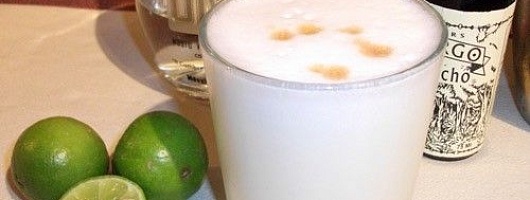
Peru’s national drink and most popular cocktail is surely the famous Pisco Sour. It is the welcome drink in Peru and served for literally any occasion.
  • In the original sense, Leche de Tigre (meaning Tiger’s Milk), is the marinating liquid left on the plate after having finished a Ceviche,…
  • Salsa Criolla probably is the most important and most popular side dish in Peru. Prepared with red onions, aji amarillo, the juice of…
  • Tequeños are known in all Latin America. In Peru, they are very popular as starter, light lunch or small snack in the evening at a bar…
  • Peru’s celebrated cuisine is not only about famous chefs, outstanding dishes or the abundance of fresh fruits and vegetables, but as well…
  • Papa rellena, meaning stuffed potato, is a traditional and popular dish full of Peruvian flavors which is eaten as starter, for lunch or…
  • Tamales are a very traditional Latin American dish. In Peru Tamales come in many forms and sizes. Each region, even each town or family has…
  • Chilcano, or also known as Chilcanito, is one of the most popular long drinks in Peru - and my personal favorite. It is based on Peru’s…

  • Creamy, sweet Manjar Blanco embedded in two almost powdery cookies, this is a traditional, absolutely delicious and addicting Peruvian…
  • A Cremolada is something between an ice cream and a flavorful fruit drink; comparable to slush, but made with lots of fresh fruit pulp,…
  • Crema Volteada, literally meaning "upside down cream", is probably better known as the Peruvian version of Crème Caramel. Sweet and rich…
Legal Stuff

Extension of a Migraciones deadline

If Migraciones asks you to submit an additional document during the internal evaluation of an immigration-related application, you are usually given only a very short deadline to do so. If you already have the requested document,…

Subsanacion - Submitting documents

During the internal review of any application submitted via the Migraciones Agencia Digital, Migraciones may determine that a required document is missing, that an uploaded document does not meet their requirements, or that an…

Peruvian Visa Types

Business Visa for Peru

Foreigners traveling to Peru for business purposes that do not involve employment or paid work must either apply for a business visa at a Peruvian consulate or, if eligible for visa-free entry, ensure they are admitted as a…

Peruvian Digital Nomad Visa

On November 14, 2023, a modification of the Foreigner Law, Decreto Legislativo 1582, was published, introducing a resident visa for digital nomads, remote workers, and freelancers in Peru for the first time.
  • Some family members of Peruvian nationals and foreigners with resident status in Peru have the right to family reunification and can apply…
  • Priests and pastors, members of religious orders, missionaries and other individuals who wish to stay in Peru to perform religious or…
  • Foreign nationals who want to apply for a residence visa in Peru, for example because they are married to a Peruvian, have found work in…
  • Foreigners who receive a state or private pension - including a social security pension, government pension, employment-related pension,…
  • Foreigners planning to study at a Peruvian educational institution or to complete an internship or apprenticeship (without remuneration) at…
  • Planning a trip to Peru is exciting, at least until visa questions start popping up. Do I need a visa? How long can I stay? What am I…
  • While Peru has a volunteer visa, the so-called “visa cooperante” (cooperation visa), getting one is such a bureaucratic mess and in most…
  • Foreigners who have a valid and legally signed work contract with a Peruvian company that has been approved by the Peruvian Ministry of…

The History of Peru

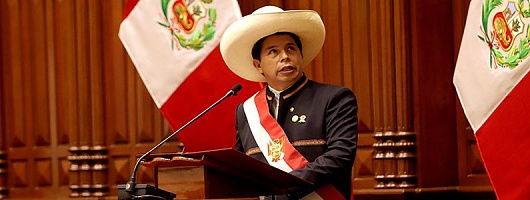
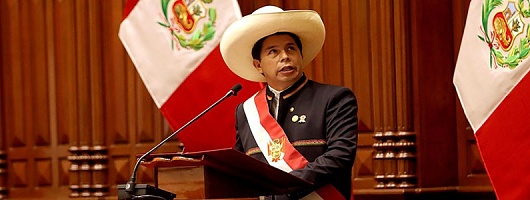
President Pedro Castillo from 2021 to 2022

The 2021 presidential election saw far-left Pedro Castillo, a political greenhorn in Lima, and hard-right Keiko Fujimori, who is not only the daughter of former president Alberto Fujimori, but as well an old-timer on the…

Pedro Castillo (1969 - )

José Pedro Castillo Terrones is a former member of the Rondas campesinas, elementary school teacher and union leader. He was the President of Peru from July 28, 2021 until he was removed from office on December 7, 2022.

Peruvian Money Guide

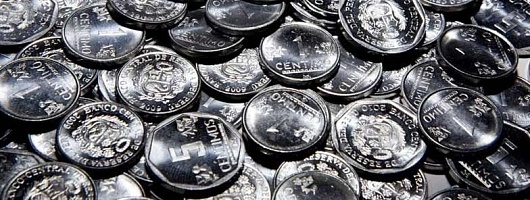
Current Peruvian Coins

Like the current Peruvian banknotes, the Peruvian coins in circulation reflect the country's rich historical and cultural past, but additionally as well Peru’s abundance of natural wealth. Their high-quality and beautiful…

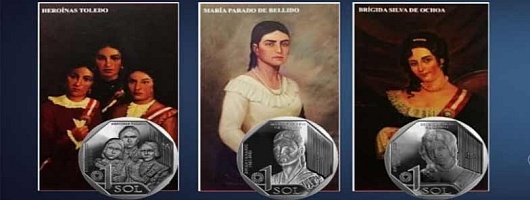
The Woman in the Process of Independence Coin Series

In commemoration of the bicentenary of Peru's independence from Spain, the Peruvian Central Reserve Bank (BCRP) issued the numismatic series “La Mujer en el proceso de la Independencia” (The Woman in the Process of Independence).…

Peru Newsflash

Peru Event Calendar

Mon Tue Wed Thu Fri Sat Sun
1
2
3
4
5
6
7
8
9
10
11
12
13
14
15
16
17
18
19
20
21
22
23
24
25
26
27
28
29
30

Latest Content...

Latest Video

Maria Reiche - Memories

Maria Reiche - Memories

Submitted by: Tintin
05 December 2021

Long Reads...

  • Peruvian Archaeology

    The Mystery of the Nazca Lines in Peru

    In the 1920s, when people first flew across southern Peru, they made an astonishing discovery. Stretching below them,…
  • Peruvian Personalities & Founders

    Francisco Pizarro González (1474-1541)

    Francisco Pizarro, a peasant from Spain, was one of the least well-equipped conquerors in history. However, in the name…
  • Peruvian Archaeology

    The colorful Fabrics and Textiles of Peru

    Europe’s first knowledge of Peruvian textiles was acquired following the Spanish invasion of Peru in 1532, when the…
  • Peruvian Legends, Myths & Tales

    The Jeweled Frog and the Condor

    By a quiet pond, at the side of a cloud-topped mountain in Peru, lived a small green frog and his large green family.…
  • Peru Info

    Peruvian Economy

    The Peruvian economy is an emerging, social market economy highly dependent on foreign trade and classified as an upper…