Exchange Rates

1 US Dollar US$  =  2.61 Peruvian Nuevos Soles PEN
1 Euro EUR  =  3.19 Peruvian Nuevos Soles PEN
1 Peruvian Nuevos Soles PEN  =  0.38 US Dollar US$
1 Peruvian Nuevos Soles PEN  =  0.31 Euro EUR
Peruvian Food Guide

The Peruvian Food Guide

Peruvian cuisine is among the most varied and best in the world. It's a reflection of its three main geographical zones, the coast, the Andean highlands and the jungle, and an incorporation of influences from different times and immigrant cultures. While the Peruvian cuisine only is recognized internationally in the last few years, food and its preparation is one important part of the Peruvian culture and a very personal way to express the Peruvian identity.

As it is impossible for most visitors to enjoy all culinary treasures in the special region, Lima, the gastronomic capital of Latin America is a great place to discover the large variety and facets of the Peruvian cuisine in the numerous restaurants.

Today the Peruvian cuisine combines Pre-Inca and Inca staples and food with the Spanish, Basque, African, Asian and French, Italian and British cuisine which immigrants brought with them; a unique fusion of the culture, traditions and flavors of four continents in which all parts coexist or melt in harmony and even enrich another. Next to foreign influences and ethnic diversity the Peruvian cuisine is also characterized by Peru's unique climates and landscapes. Each region, each town has its own local cuisine and culinary treasures, depending on geography and climate that provide different ingredients native to each area.

  • Default
  • Title
  • Date
  • Random
  • A starter is a good way to introduce you to a great Peruvian meal. Unheard of in Peru until the 17th century most Peruvian starters today often replace a full meal or are also eaten as a small lunch or snack. Here you find appetizers characteristic for Lima...
    Read More
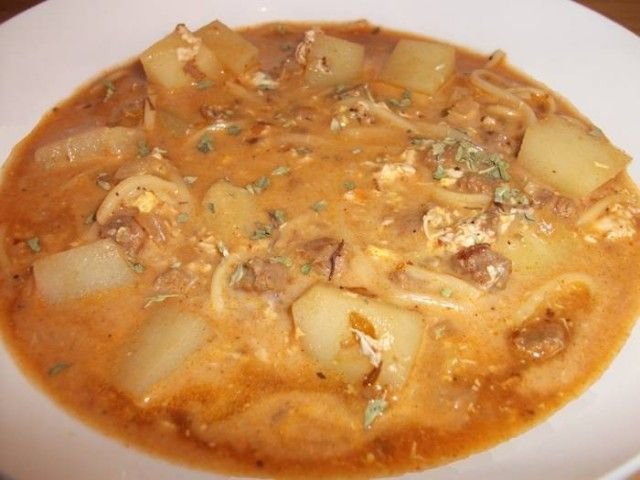
  • It is assumed that there are around 2000 different soups in Peru. This variety reflects the rich biodiversity of Peru with its three main geographical zones (the coast, the Andean highland and the jungle) and the fusion of influences from different times and immigrant cultures...
    Read More
  • Peruvian main courses are enormously varied in flavors and colors reflecting the native heritage, the three main geographical areas and of course the merging of traditional with foreign cooking styles from immigrants. As each region in Peru is distinct...
    Read More
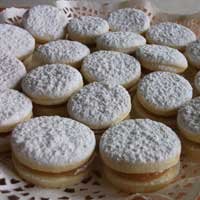
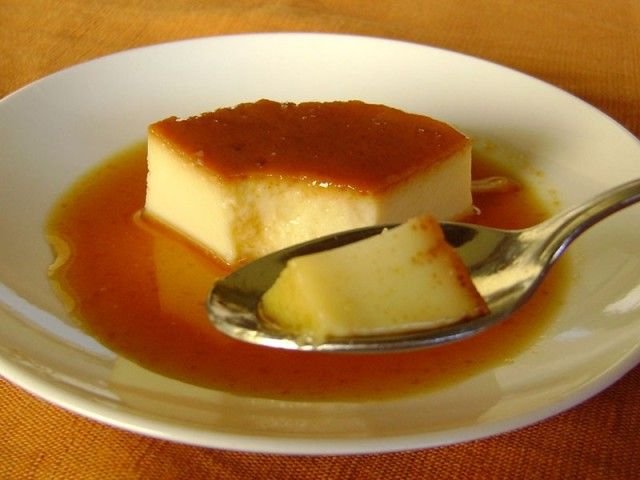
  • Peruvians love their "dulces". Relatively unknown in pre-Hispanic times Peruvian desserts are heavily influenced by its Spanish and other foreign equivalents. In Colonial times quite often expensive and unavailable ingredients used in the Spanish cuisine...
    Read More
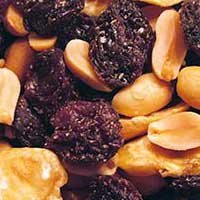
  • In general Peruvians love to snack! You can buy small plastic bags filled with all sorts of goodies from streets vendors around every corner, a habit many Peruvians can't break with when wandering around town, waiting for or traveling in the bus keeping their children quiet...
    Read More
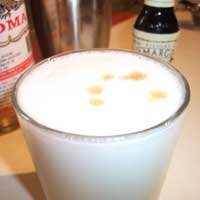
  • When talking about Peruvian drinks, the first that comes to mind is Pisco, Peru's National Drink; Pisco Sour is a typical cocktail to welcome guests or start a Peruvian meal. But there are many other options: Peru produces some very good mostly red wines and delicious beers....
    Read More
  • Salsas, sauces or dips are an essential part of the Peruvian cuisine and a must on every table. A Peruvian menu without at least three or four different salsas is incomplete. Peruvians love their salsas and use them literally on any food. Peruvian sauces intensify...
    Read More
  • Thanks to Peru's three main climate zones, coast, highlands and jungle, a great variety of fruits can be found in the country. Some are native to Peru, exotic or rarely known abroad others can be seen in every (super) market around the world. You can buy...
    Read More
  • Peru is known around the world for its potato and corn varieties. But did you know that for example the avocado and tomato have their origin in Peru as well? And the country is home to numerous other international unknown vegetables. Most of them have been cultivated...
    Read More
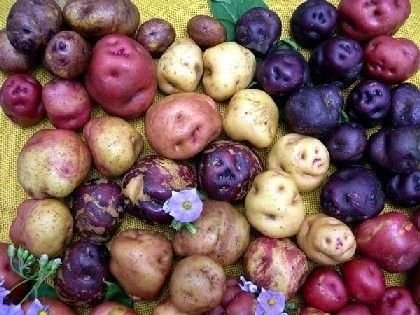
  • While everybody agrees that the birth place of the potato is in South America, the exact place of origin is unknown and reason for the one or other open dispute between Chile and Peru. In Peru you can find more than 3800 varieties of potatoes. They differ in size, shape, color, skin...
    Read More
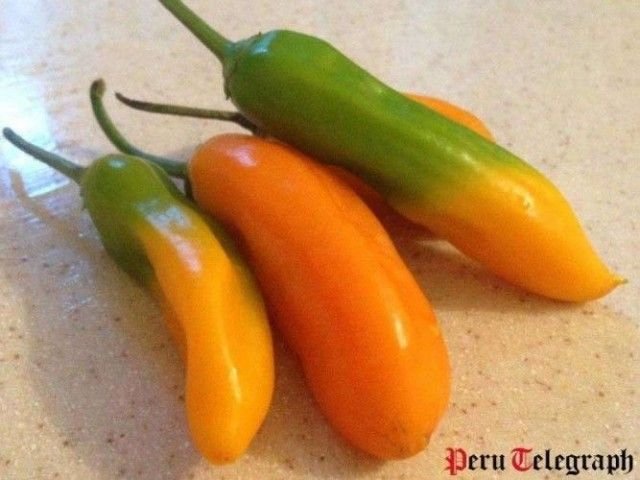
  • Aji, also known as pimiento chile, originated in the Americas and are cultivated for around 7000 years. Chili Peppers might have been the first spice with which ancient Peruvians seasoned their dishes and were found in many archeological excavations. There are around 300 varieties...
    Read More
  • While quite some very special "pseudograins", nuts and beans are part of the Peruvian culture and nutrition since ancient times, they were just rediscovered and gained popularity worldwide in the last few years. The demand for Peruvian "supergrains" like Kiwicha...
    Read More
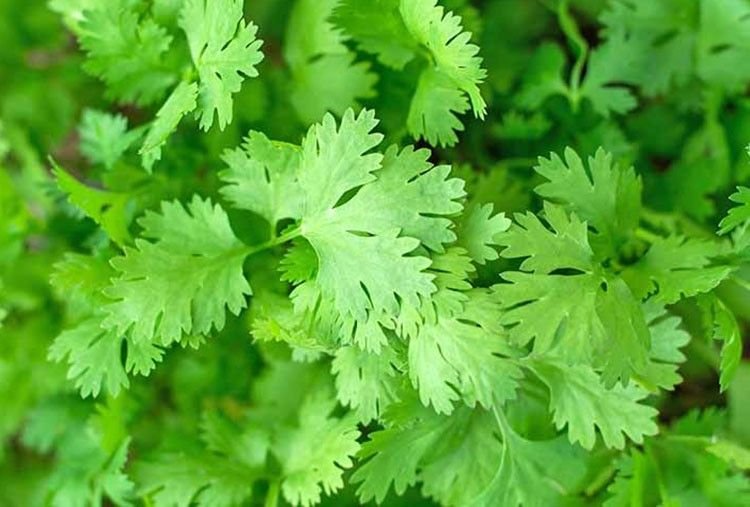
  • Next to Aji (hot peppers) aromatic herbs play a great part in the Peruvian cuisine. While the Peruvian cooking and ingredients vary regionally always lots of herbs are incorporated into the dishes. Probably the most used aromatic herbs are Cilantro, Huacatay, Oregano...
    Read More