

















Introduction
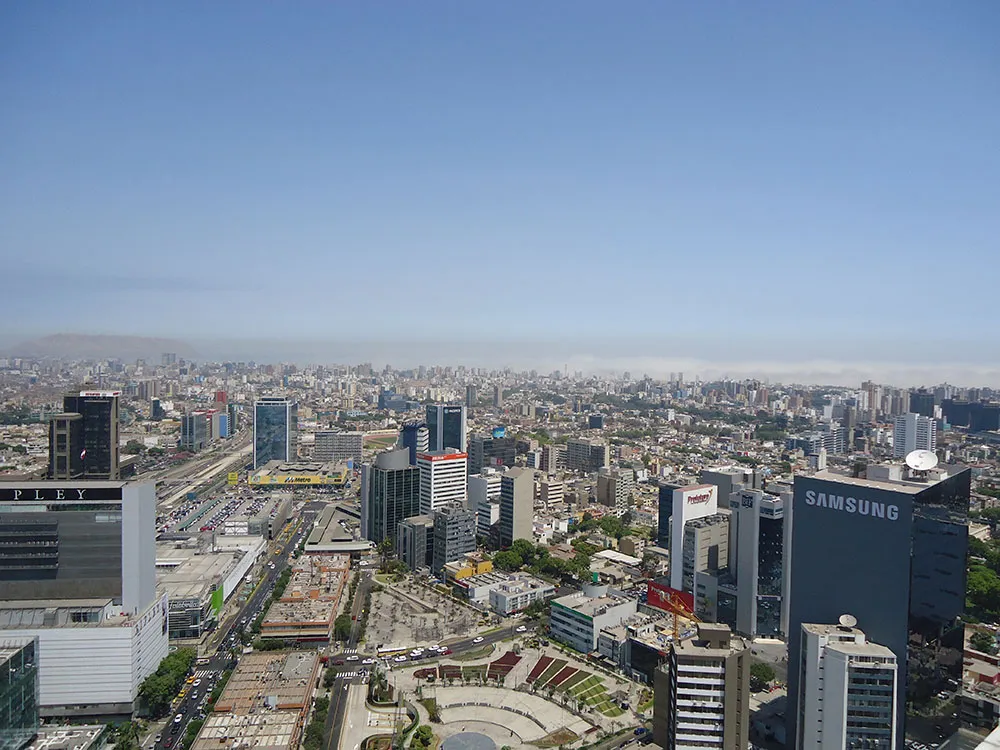
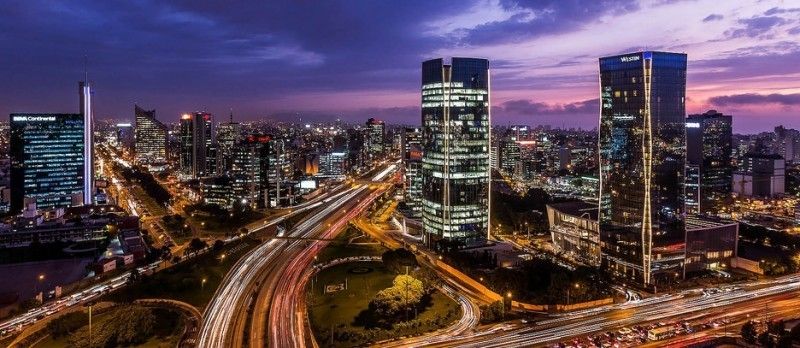
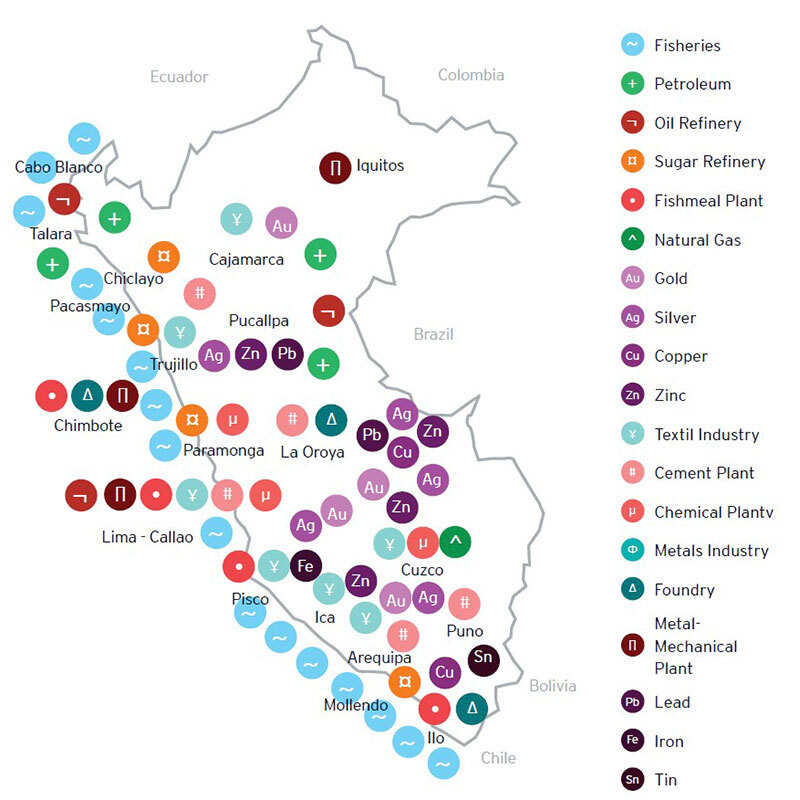
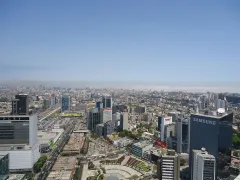
Peru is located in the central part of South America and borders on the north with Ecuador and Colombia, on the east with Brazil and Bolivia, on the south with Chile and on the west with the Pacific Ocean. The Peruvian territory covers an area of 1,285.216 square kilometers. More than half of the Peruvian population lives on the coast. The Andean region is home to a third whereas only around 10% of the total population lives on the Amazonian plains. Lima is the capital of the Republic. Peru is the third largest country in South America after Brazil and Argentina, and ranks among the 20 largest countries in the world. The country's location facilitates the access to markets in Asia and North America.
The Peruvian economy is classified as upper middle income by the World Bank. The country has among other smaller sectors rich deposits of natural resources, huge agricultural potential, good fishing grounds, a traditional textile industry and enormous tourism capacities.
Economic History of Peru
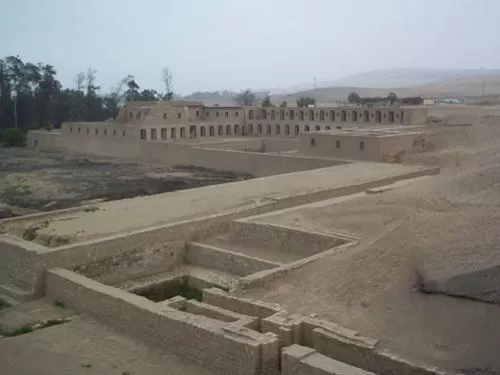
The Peruvian economy is historically based on the countries geographical conditions; the different climate zones facilitate widespread agriculture, the Andes rich in natural resources allow mining and the Pacific Ocean with its fishful waters makes commercial fishing possible. Already the Incas used the existing resources wisely and skillfully. They built a vast empire without the need for markets and money just with a system based on trade and service. The well-organized state relied on the clever management and refinement of agricultural and mining productivity, a brilliant infrastructure and well-fed manpower.
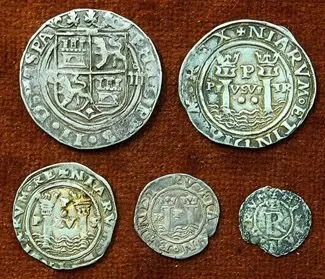
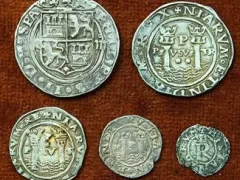
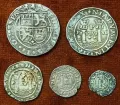
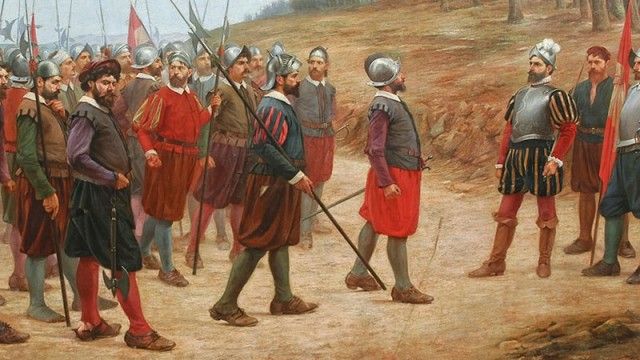
With the Spanish conquest of Latin America in the 16th century the Incan social and economic structures were eliminated. Interested mostly in the rich natural resources the Spaniards exploited the country making the Spanish noblesse within Peru and back home rich while the indigenous population was forced to slavery labor.
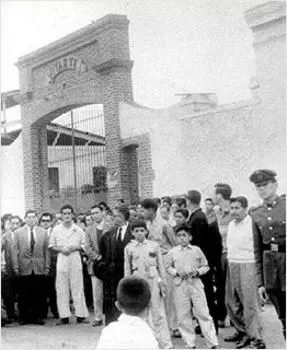
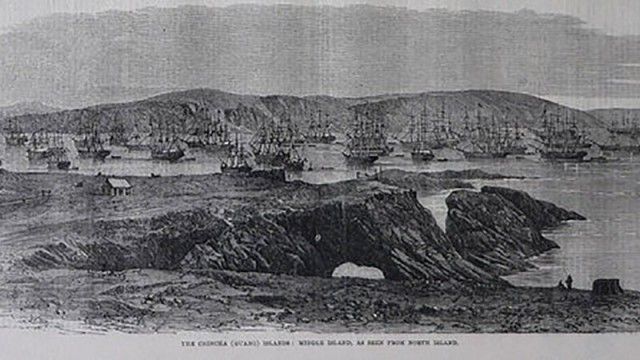
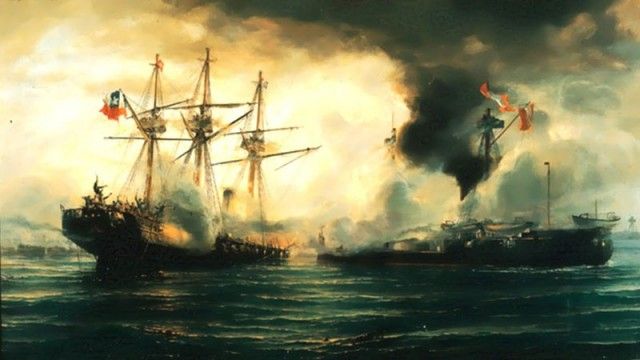
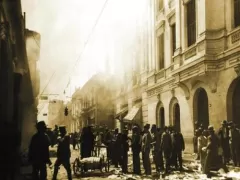
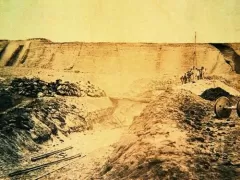
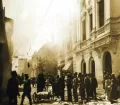
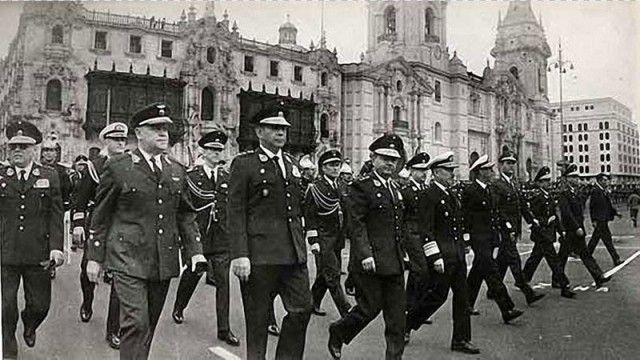
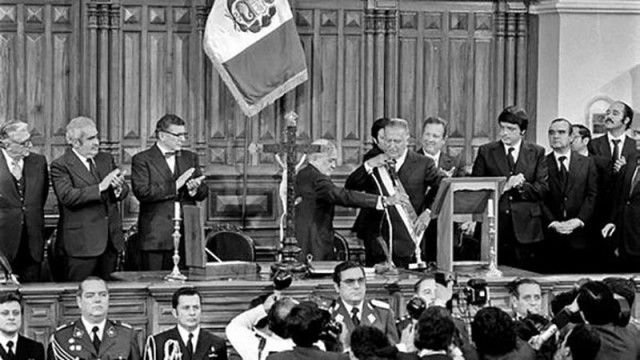
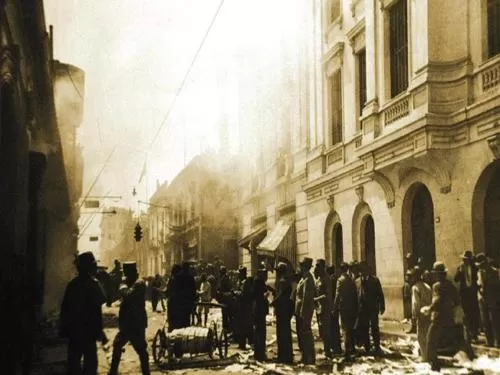
The 19th century in Peru is marked by wars and destruction. While Peru's independence was already declared in 1821, fighting continued until the last Spanish conquerors were defeated in 1924. After the war political turmoil including a war with Colombia in 1828 / 1829, with Chile from 1836 to 1839 and finally the War of the Pacific with Chile from 1879 to 1884, which Peru all lost, continued crippling the country's economy. After the war the government started to initiate a number of economic reforms. Just when Peru slowly recovered falling export prices and the Great Depression in the 1930s set the country back once again. From the late 1940s Peru was governed by military juntas. After 30 years of economic mismanagement Peru lay in ruins. In 1980 the country returned to democracy, but experienced next to severe economic problems, high inflation and terrorism.
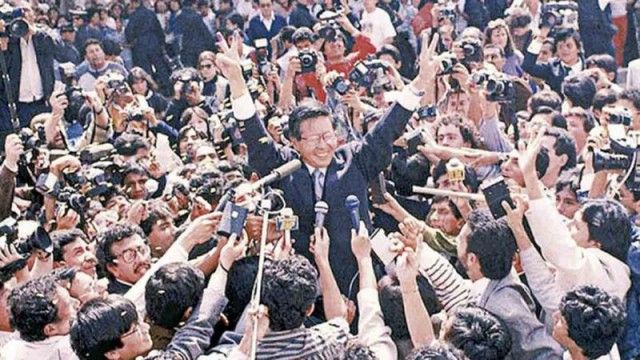
President Alberto Fujimori's election in 1990 introduced a decade with a dramatic turnaround in the economy and significant progress in curtailing guerrilla activity. Nevertheless, the president's increasing reliance on authoritarian measures generated in the late 1990s increasing dissatisfaction with his regime, which led to his dismissal in 2000. In 2001 Alejandro Toledo was elected as president. The Toledo government successfully consolidated Peru's return to democracy. His strong economic management and promotion of foreign investments led to an impressive economic boom in the country which laid the foundation of Peru's present success, inflation nearly disappeared.
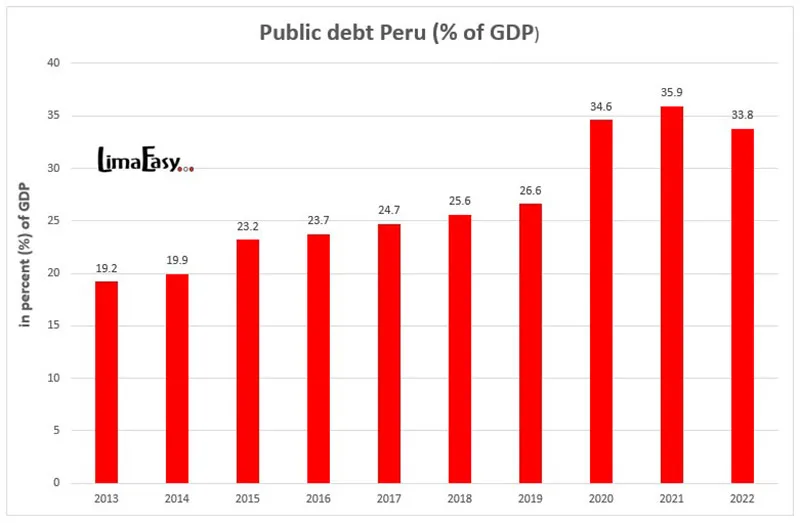
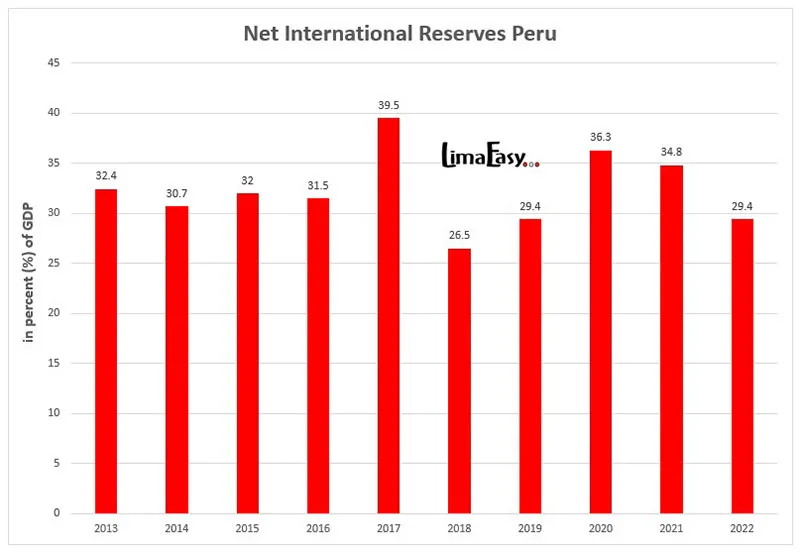
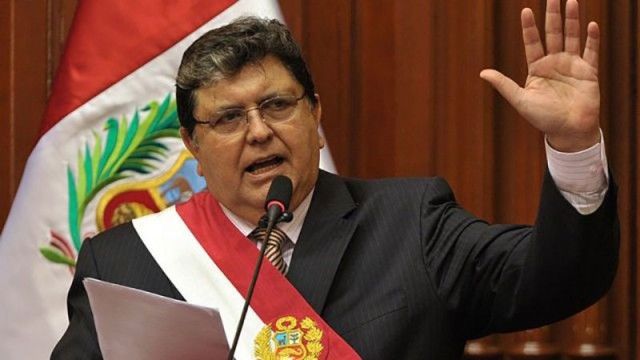
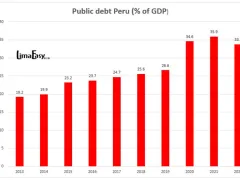
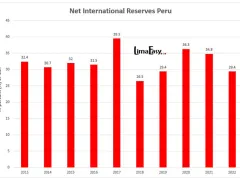
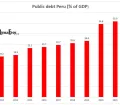
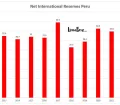
The presidential election of 2006 saw the return of Alan Garcia who, after a disappointing presidential term from 1985 to 1990, returned to the presidency. While many in Peru and abroad had strong doubts at the beginning of Garcia's presidency, they were surprised later. Garcia managed to embrace free markets and free trade, making Peru one of Latin America's top destinations for foreign investment. Despite the global economic and financial crisis foreign investment in Peru increased, the economic status of the country improved, public debt dropped and foreign reserves went up.
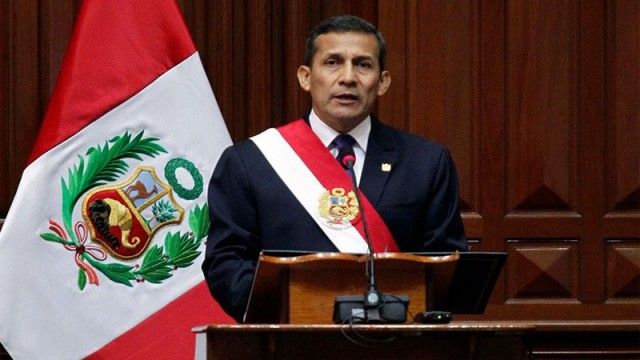
Since 2011 Peru is governed by the former Army officer and head of the leftist Peruvian National Party Ollanta Humala. His "Growth with Social Inclusion Agenda" spread joy amongst his followers and fears amongst national and international investors. But nothing is as bad as it looks. It seems that Humala departed from his former radical ideas and arrived in Peru's economic reality. And after a few months into his presidency he already moved quite a way from the left to the political and economic center. Even controversial projects, like the Conga Project involving surface mining of gold and copper, now seems to have governmental support ...
Peru's Economy Today
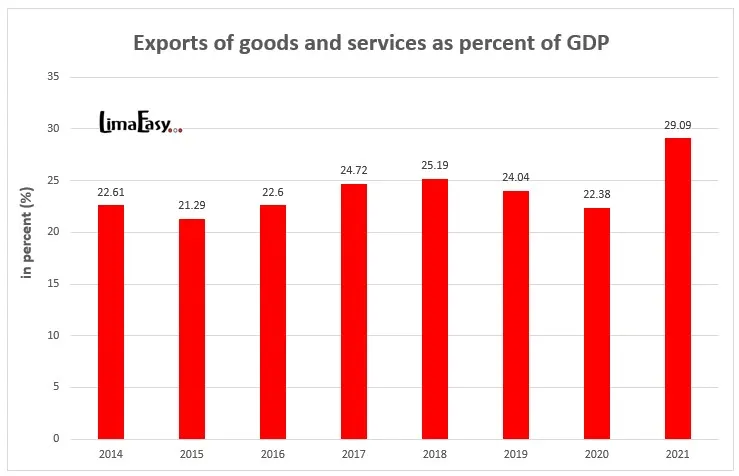
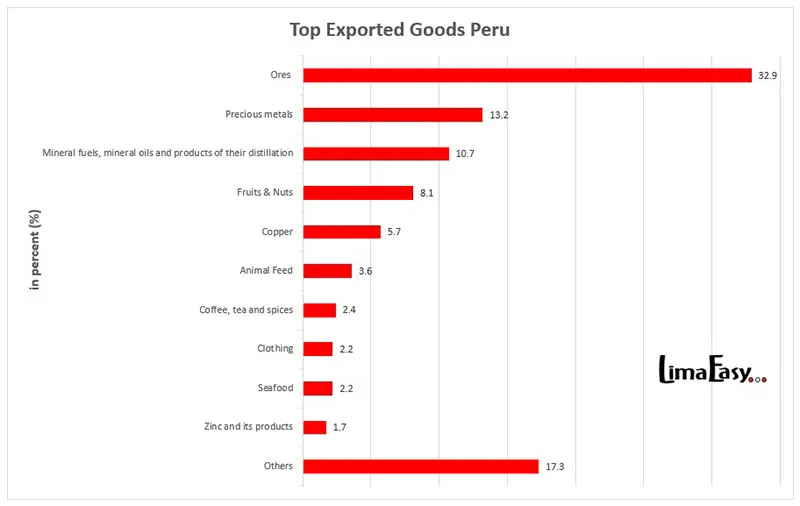
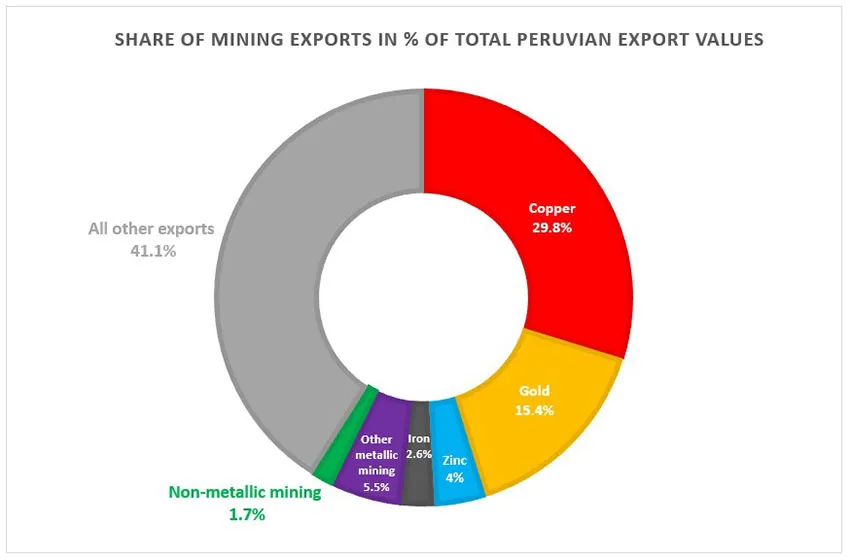
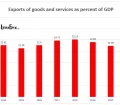
Peru's economy today reflects like centuries ago its varied geography; the different climate zones facilitate widespread agriculture, the Andes rich in natural resources allow mining and the Pacific Ocean with its fishful waters makes commercial fishing possible. Economic growth continues to be driven by exports of minerals (mainly gold, copper, zinc), textiles, chemicals, agricultural products (garden produce and fruits), fish-meal, services and by energy projects making the country's economy vulnerable to fluctuation in world market prices.
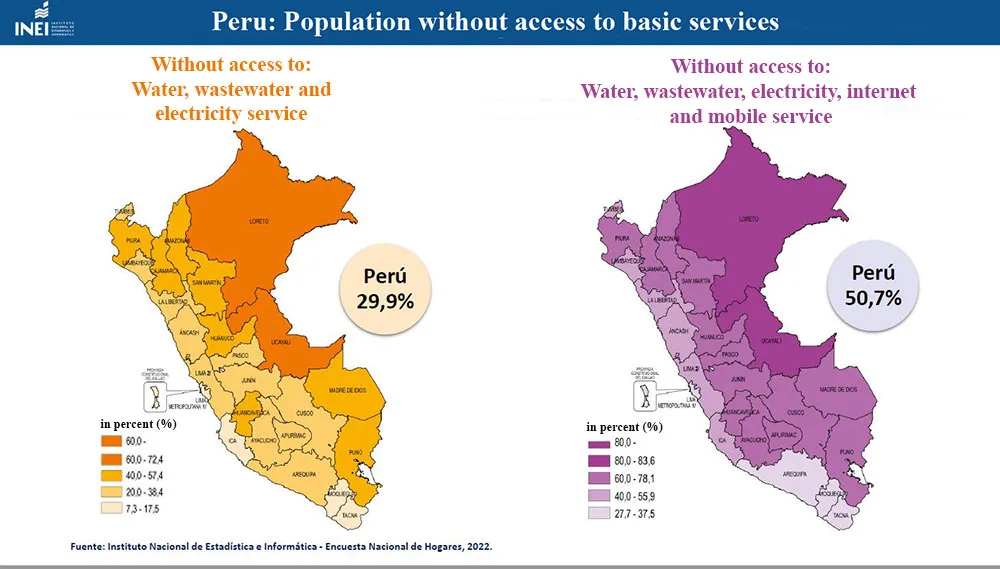
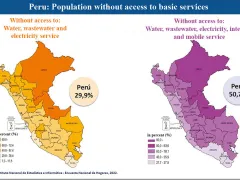
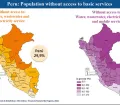
As of 2011 Peru is one of the world's fastest growing economies. Although more and more Peruvians benefit from the continuous growth, inequality persists and the distribution of the country's growing wealth to all Peruvians seems difficult. Especially the poor infrastructure in Peru's provinces not only obstructs more investment in these areas but as well efforts to spread the growth. Additionally political disputes and protests against foreign investors may impede development of some projects related to natural resource extraction exactly in these regions.
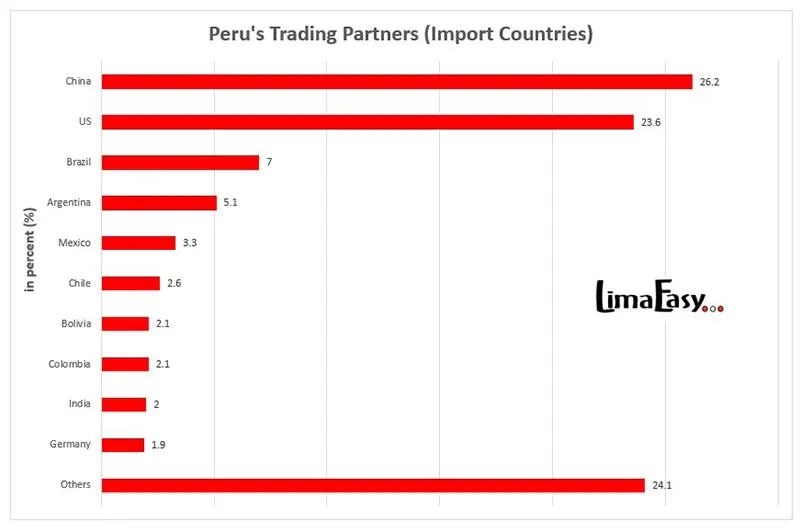
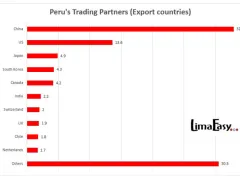
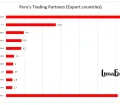
To consolidate Peruvian exports and imports to and from its most important markets, Peru has negotiated several trade agreements in the last few years. In 2009 for example free trade agreements with the United States and in 2010 with China, Peru's major trading partners, became effective. From 2009 to 2011 additional Free Trade Agreements with Chile, Canada, Singapore, South Korea, Switzerland, Mexico, Japan and Panama came into force. An agreement with the European was signed in 2011.
GDP
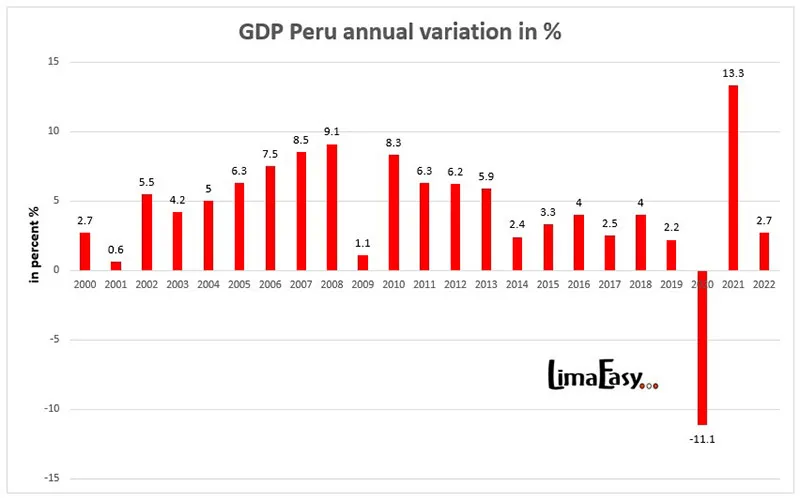
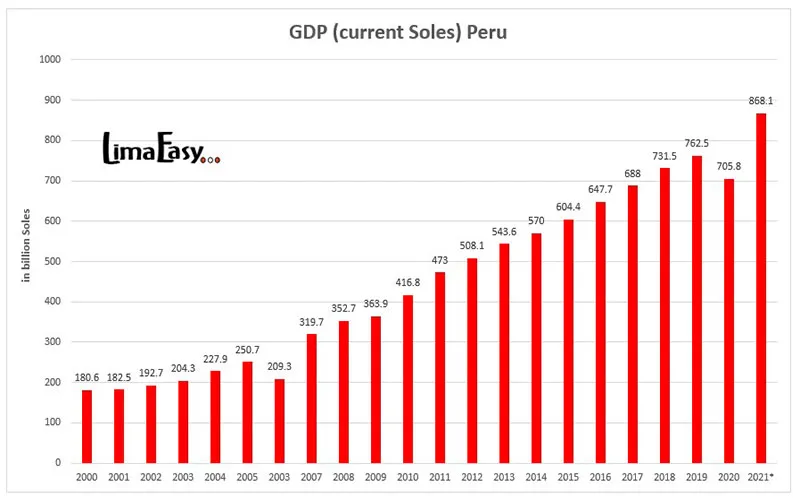
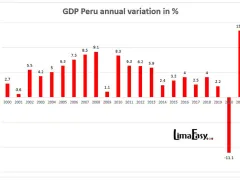
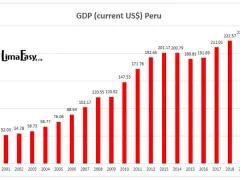
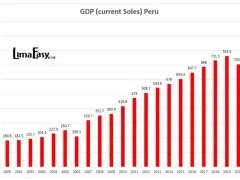
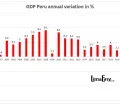
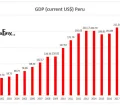
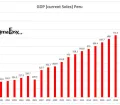
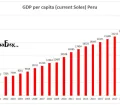
After several years of inconsistent economic performance, for the last 10 years the Peruvian economy is booming: between 2002 and 2006 it grew by 4%, with a stable exchange rate and low inflation. In 2007 the Peruvian economy could register a growth rate of 9%, the largest in Latin America. In 2008 a 9.8% rate topped the good previous year result. Even though Peru more or less emerged unscratched from the global crisis, growth for 2009 was only 0.9 percent, but rebounded to 8.8 percent the following year.
In 2011 Peru's economy grew by 6.9%: Compared to the precious year this represents a slowdown, but it's still one of the highest rates in Latin America. Forecasts for 2012 are also quite positive and predict a strong economy with a growth rate of around 5% to 6%.
Inflation
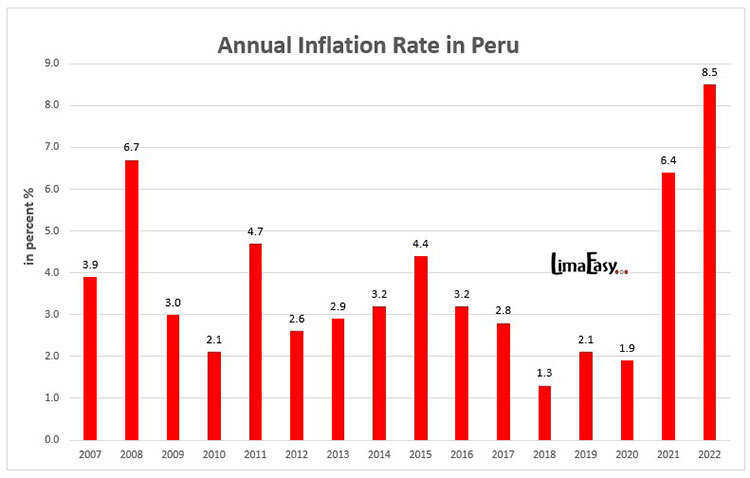
As a result of a good economic management, Peru still remains one of the Latin American countries with the lowest inflation rate. Its free-floating exchange rate, determined by market forces, is among the most stable ones in Latin America. Inflation in 2006 was the lowest in Latin America at only 1.8%, but increased in 2008 to 5.8% as oil and commodity prices rose, just to drop again in 2009 to extraordinary 2.7%.

For the year 2011 the Peruvian Central Reserve bank announced an inflation rate of 4.7% mainly caused by an increase in commodity and gas prices. Forecasts assume a drop to around 3.5% by the end of 2012.
Poverty and Unemployment
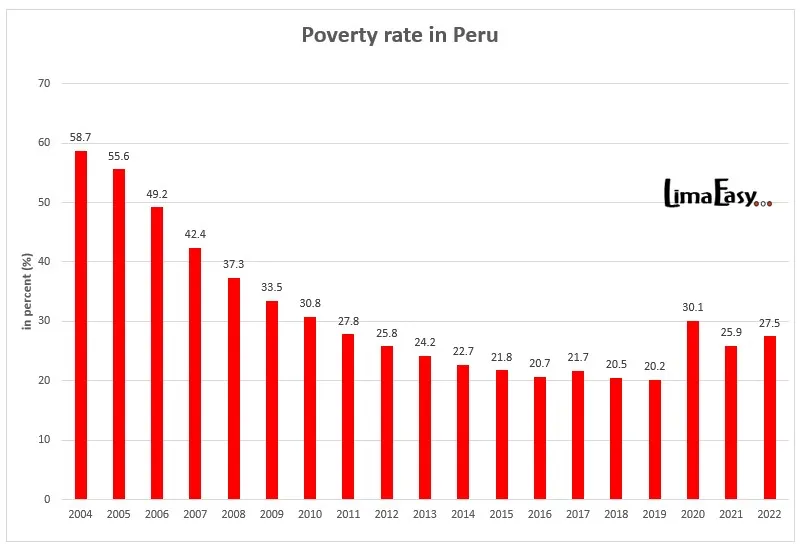
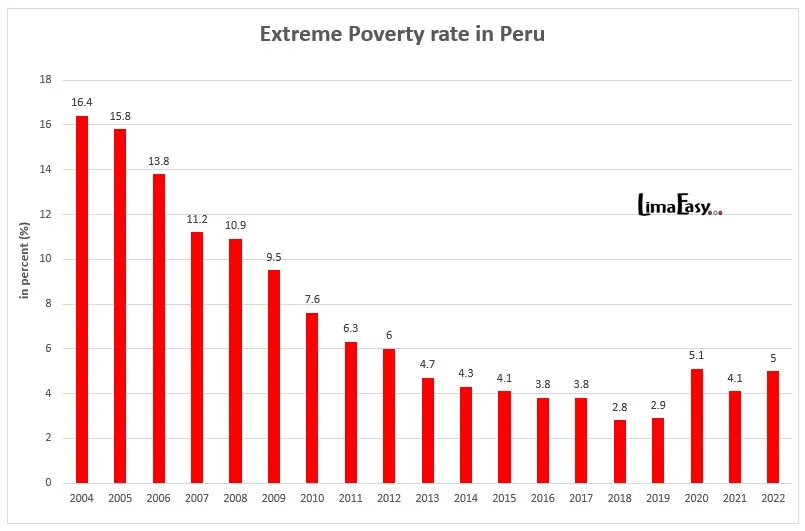
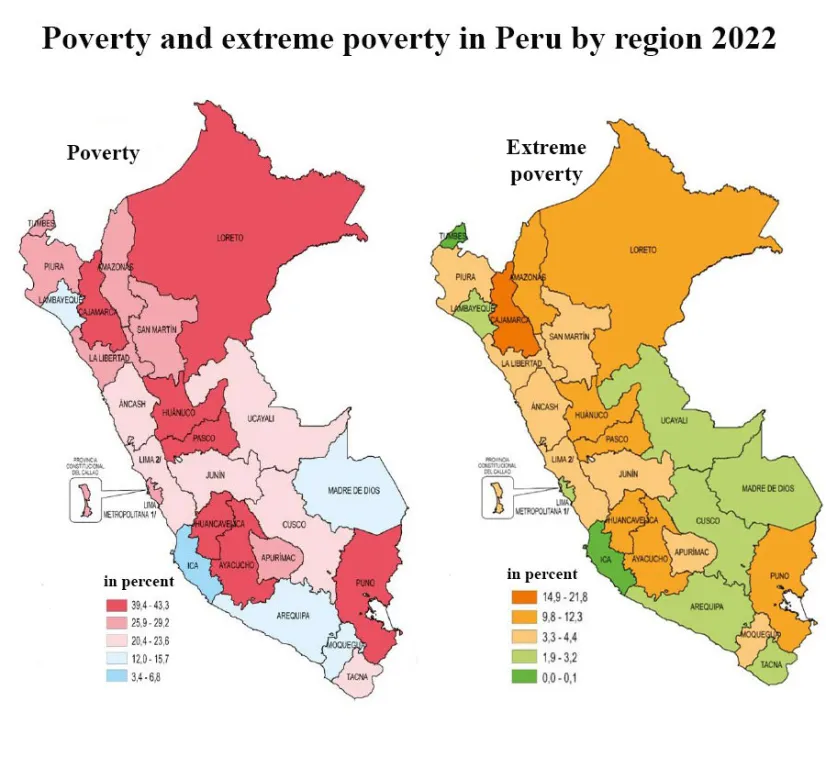
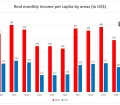
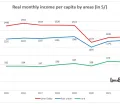
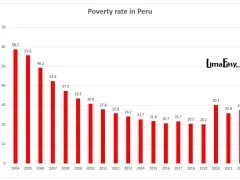
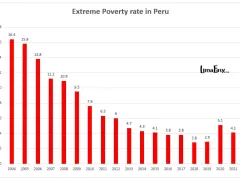
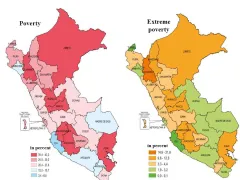
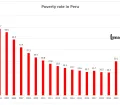
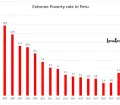
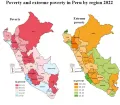
Although more and more Peruvians benefit from the continuous growth, inequality persists and the distribution of the country's growing wealth to all Peruvians seems difficult. Since 2004 poverty in Peru dropped by astonishing 28%; but still a third of the country's population lives in hardship. The situation even looks worth when comparing urban and rural areas: while in Lima for example only 16% are poor, in rural areas in the Andes 67% of the population is needy.
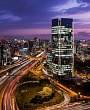
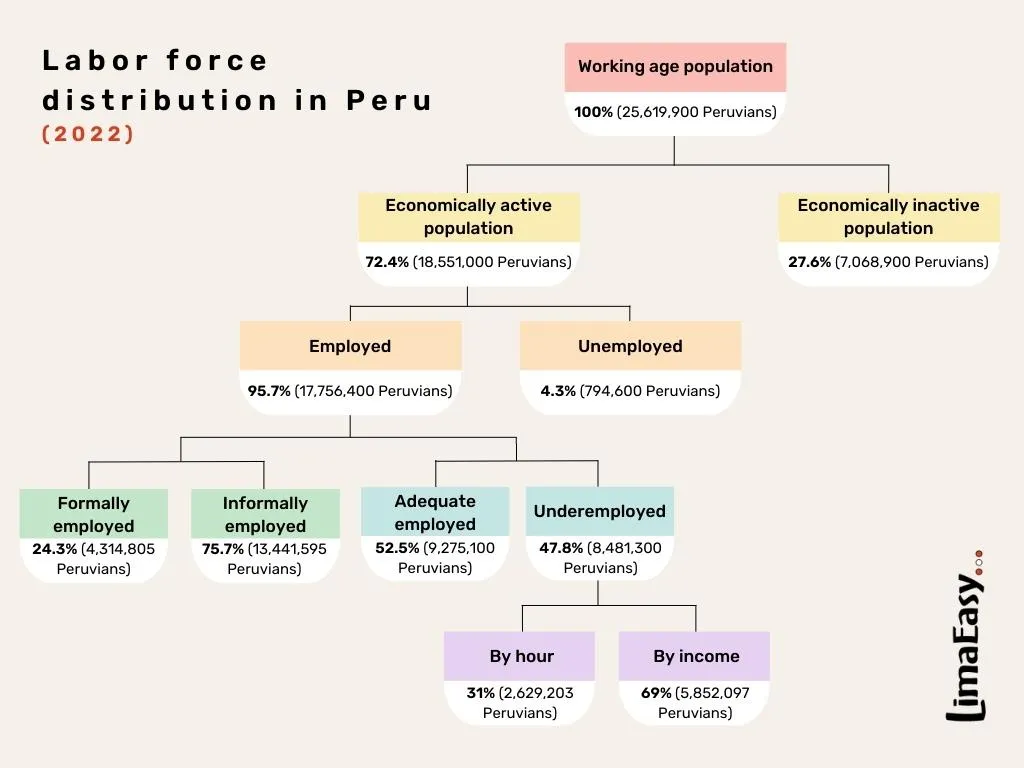
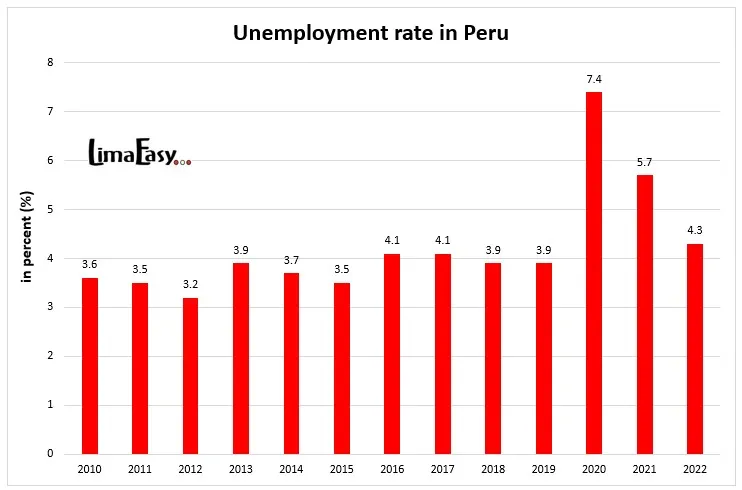
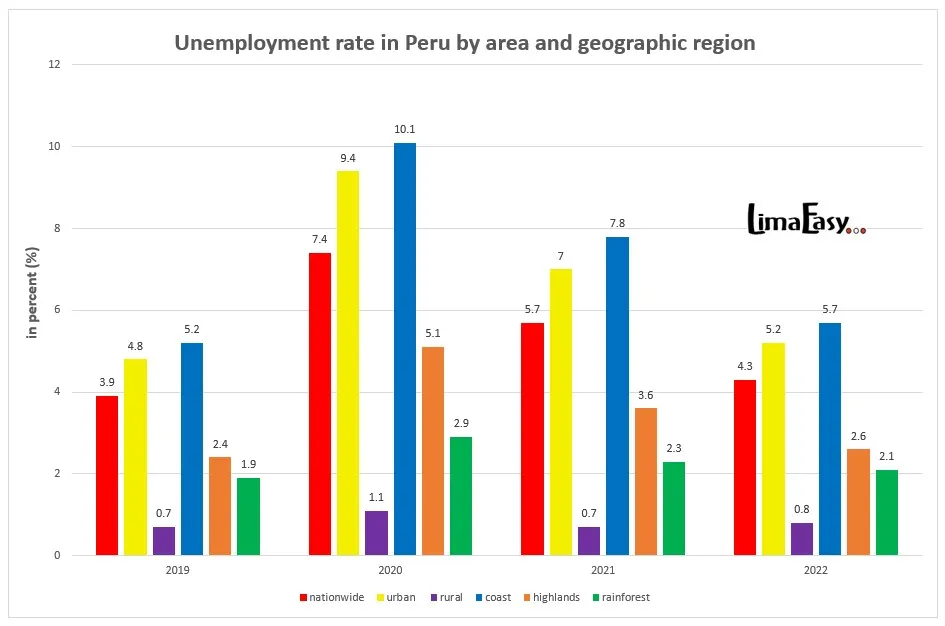
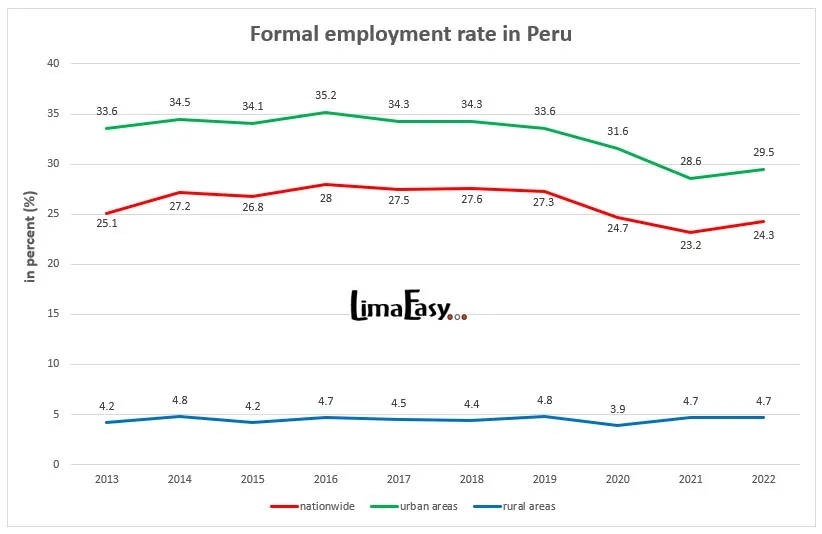
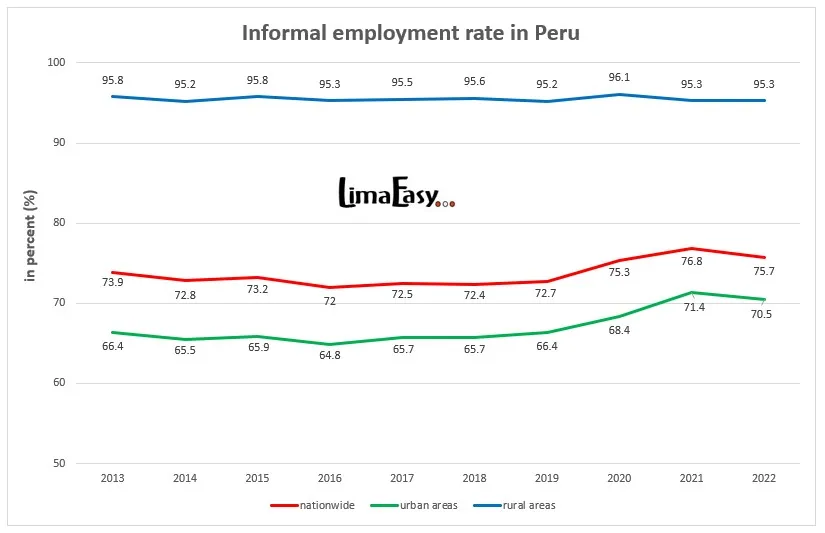
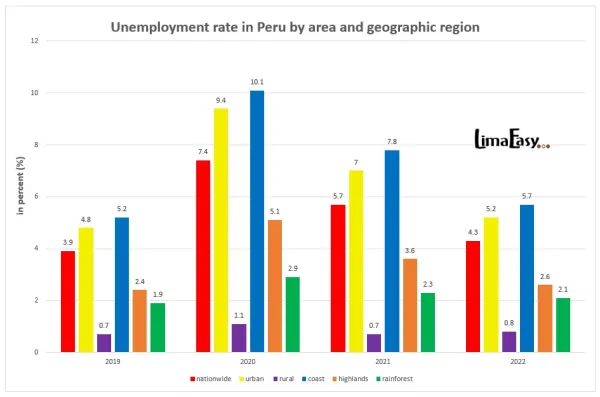
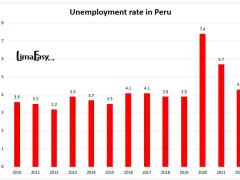
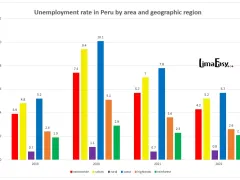
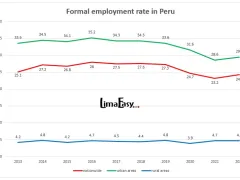
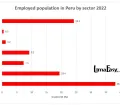
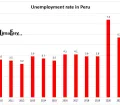
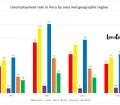
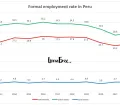
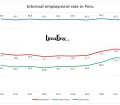
No doubt about it, Peru's stability and economic growth brought about a substantial reduction in under- and unemployment; but mainly in urban areas. Peru's National Institute of Statistics published a 9.4% unemployment rate for Lima for 2011 and 8.7% in the first month of 2012. The International Organization of Work (OIT) in Peru announced even lower rates: for 2011 they expect unemployment in Lima to be under 7%. Actual rates for whole Peru, not for Lima, are nearly impossible to come by. Most statistics just use the Lima rate. Nevertheless whether official unemployment rates, even the one for Lima, are taking the same basis as North American or European data seems questionable when comparing announced rates with the reality. Despite big advances in the last years Lima still has to fight its huge informal sector, many people especially in the outskirts just live on poverty level and in some areas of Peru's capital the overall infrastructure leaves quite a bit to desire.
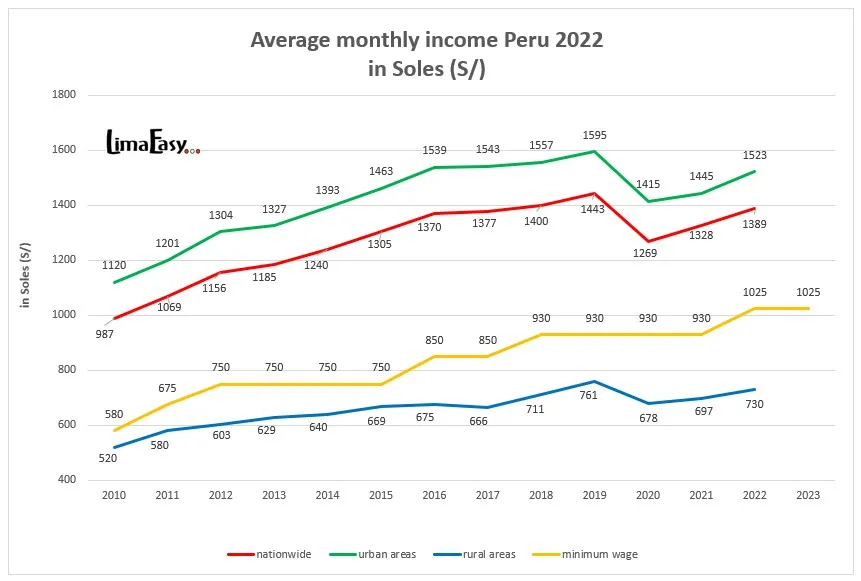
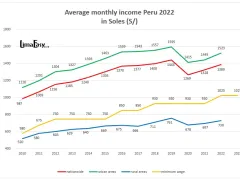
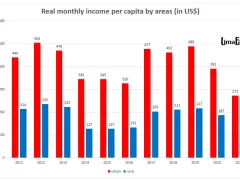
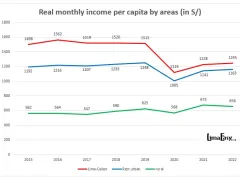
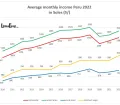
Nevertheless people who are officially employed had reason to celebrate: in 2012 the minimum wage in Peru was increased to S/. 750. And at least in Lima average wages rose more than 13%; from S/. 1170 in the first quarter of 2011 to S/. 1342 in the first quarter of 2012.
Trade Balance – Imports and Exports
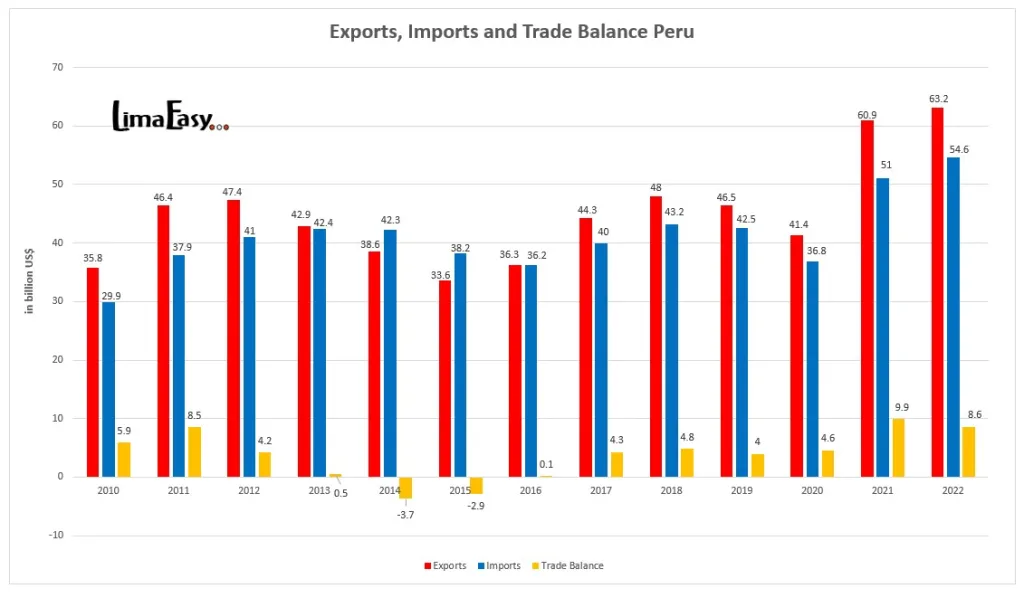
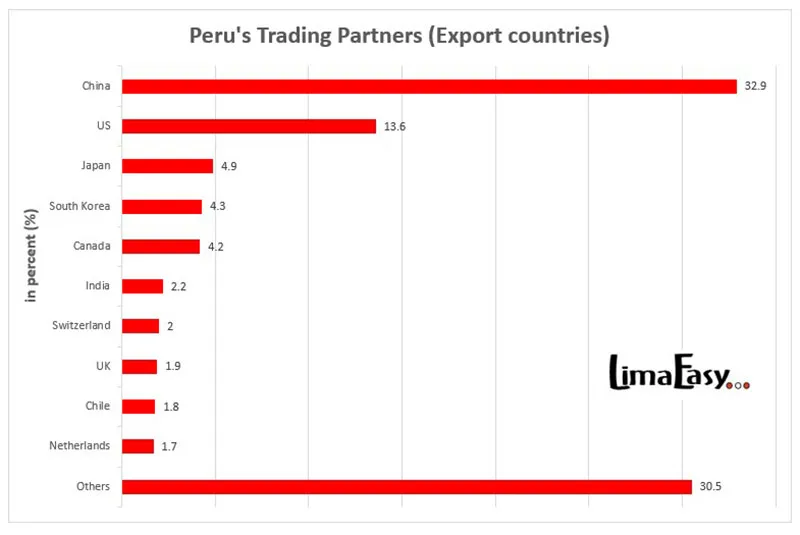
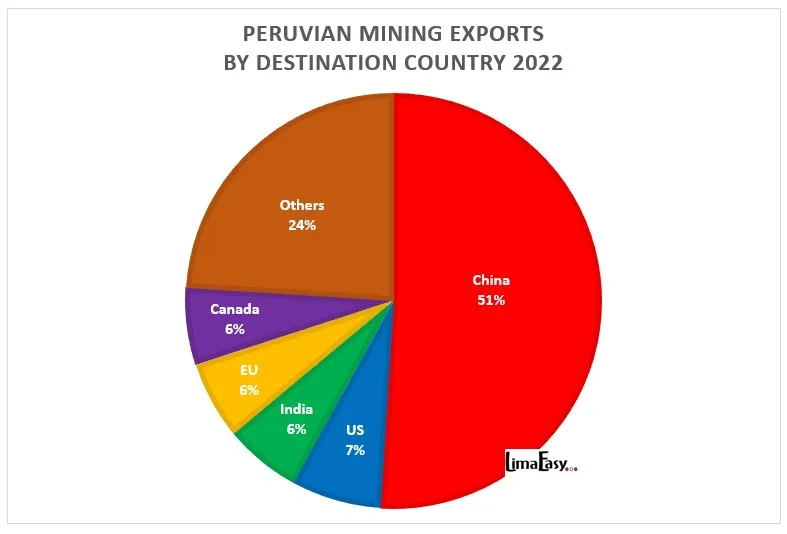
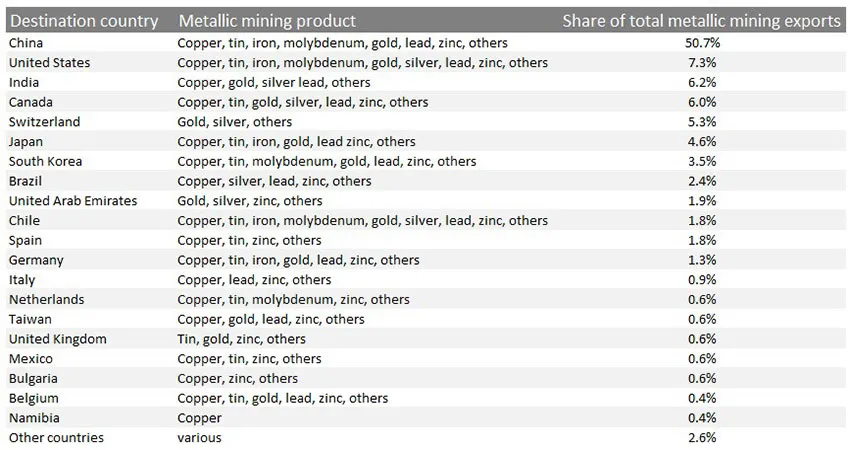
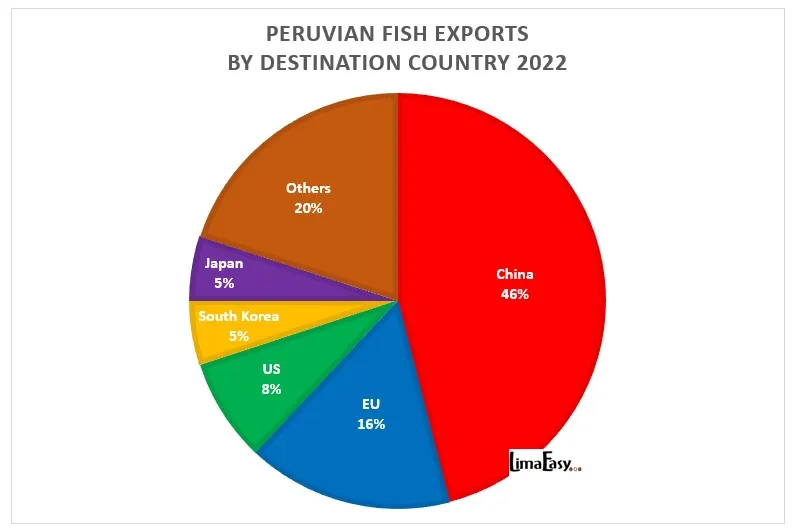
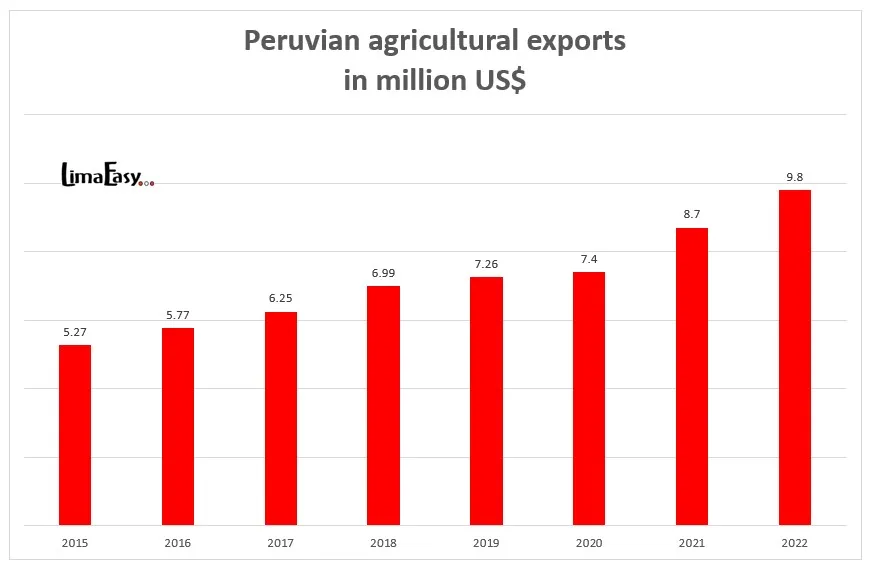
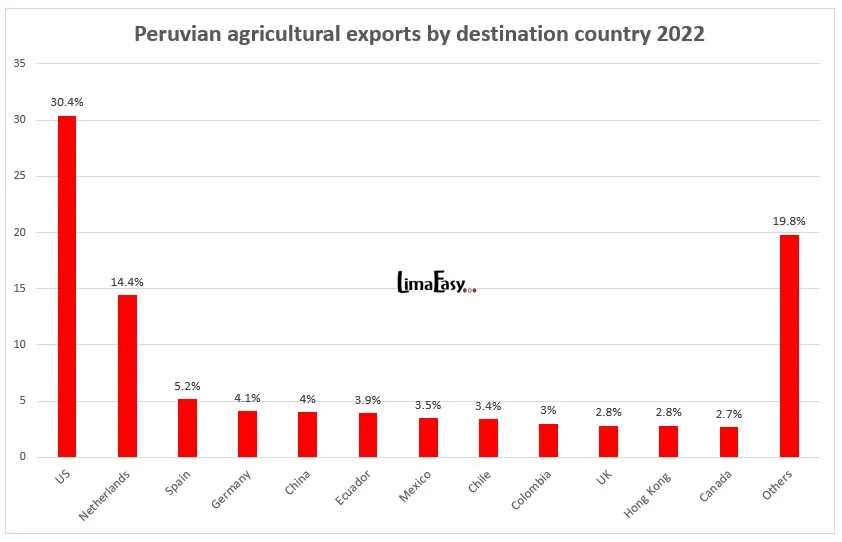
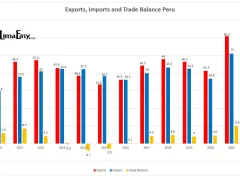
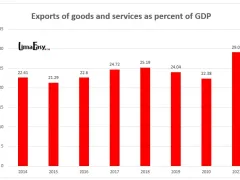
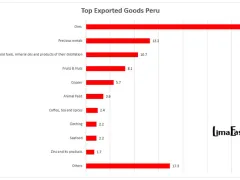
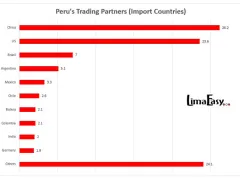
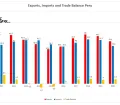
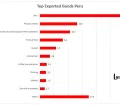
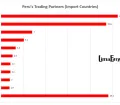
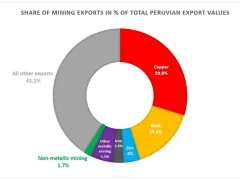
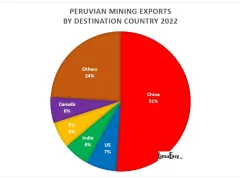
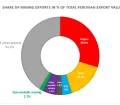
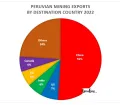
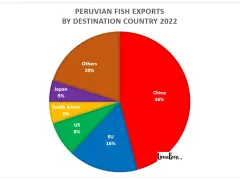
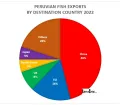
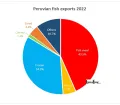
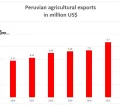
For the past decade Peru's balance of trade registered a surplus. After small hiccups in 2008 and 2009 due to the worldwide economic crisis Peru export sector registered exceptional growth rates. Main exports include minerals (mainly gold, copper, zinc), textiles, chemicals, agricultural products (garden produce and fruits), fish-meal, services and energy. Peru's main export partners are China, the United States and the European Union.
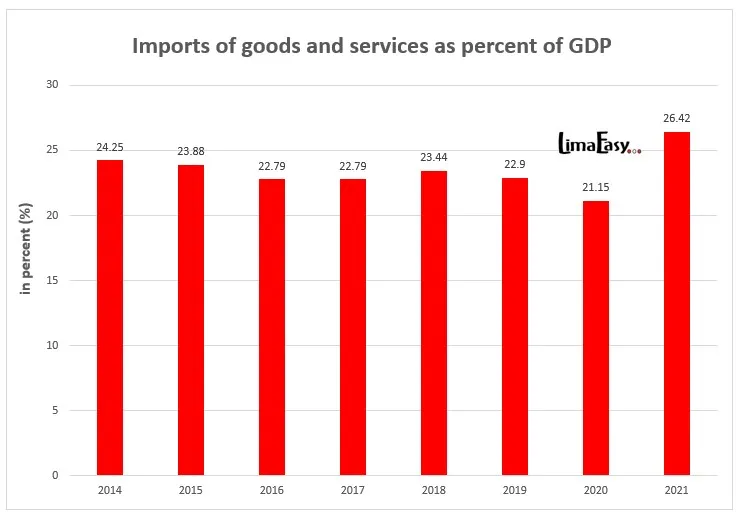
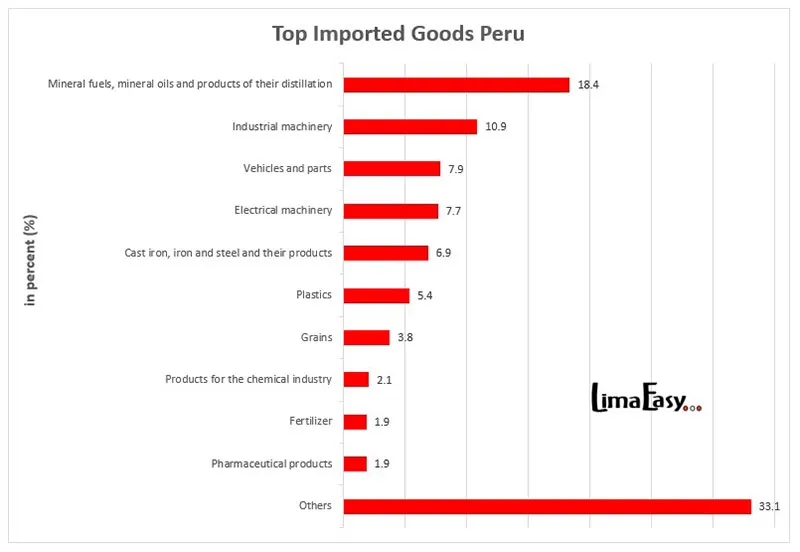
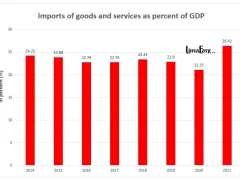
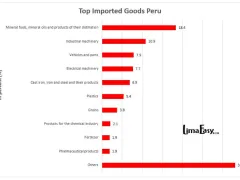
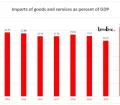
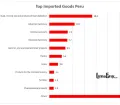
With its growing economy, Peru's imports increased over the past decade as well and are assumed to grow more than exports in the coming years, probably leveling future trade balances. Major imports include petroleum and petroleum products, plastics, machinery for industry and agriculture, vehicles, iron and steel, electronics and food. Main import partners are the United States, China and the European Union.
Economic Sectors
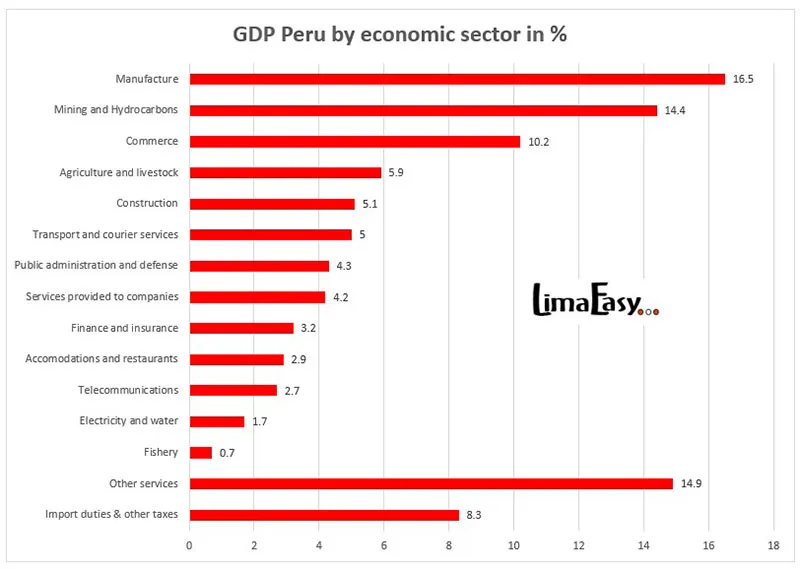
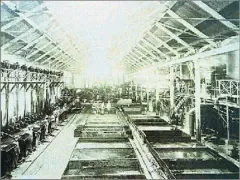
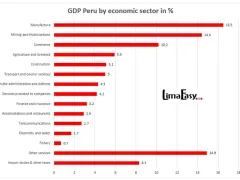
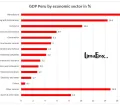
In the last years Peru's economy more and more relies on the mining and fishmeal industry, while the traditional agricultural sector still plays an important part. Economic growth continues to be driven by exports of minerals (mainly gold, copper, zinc), fishmeal, agricultural products (garden produce and fruits), textiles, chemicals and services to gain foreign exchange for importing machinery and manufactured goods.
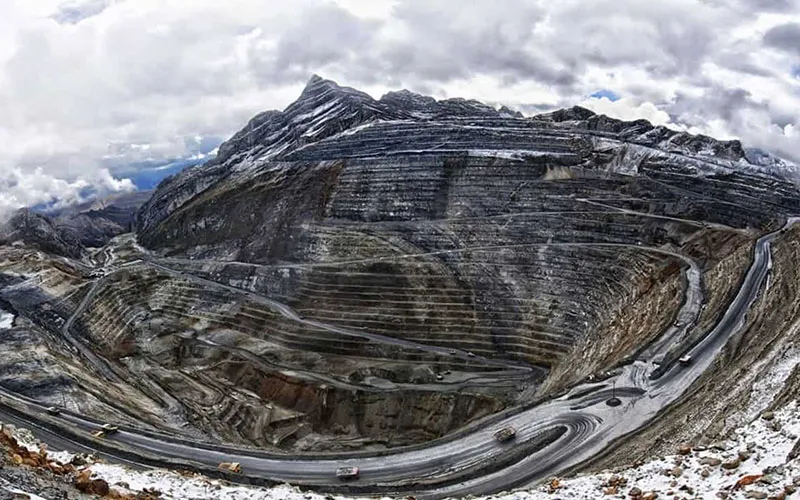
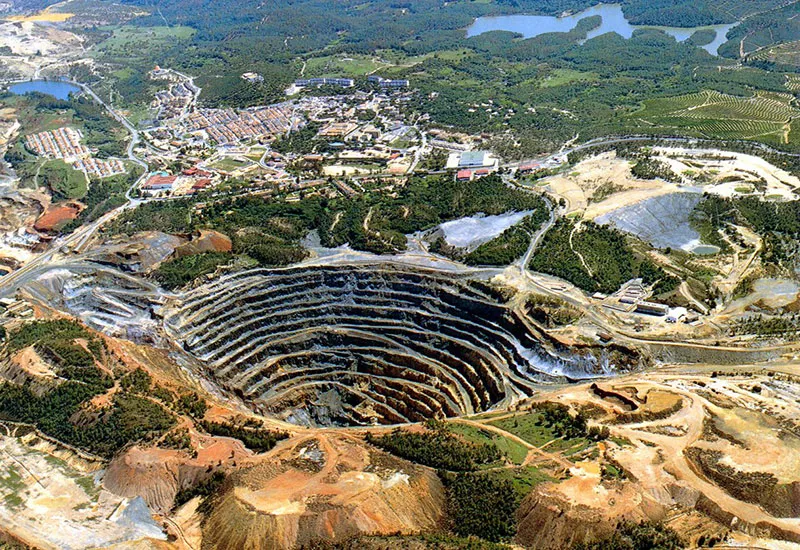
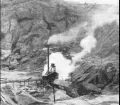
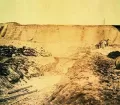
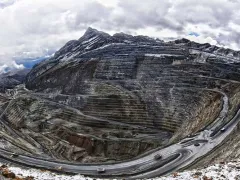
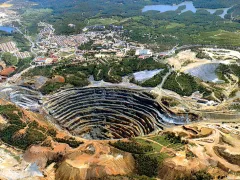
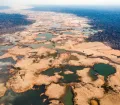
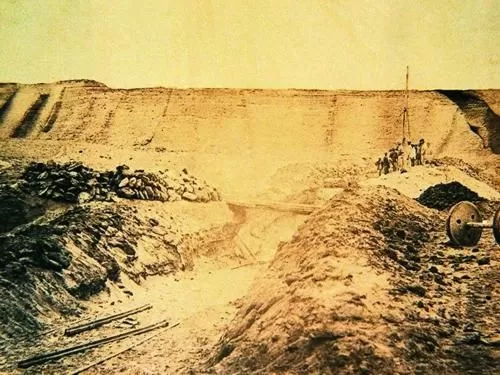
Mining
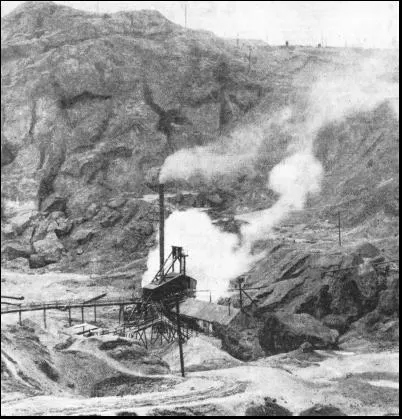
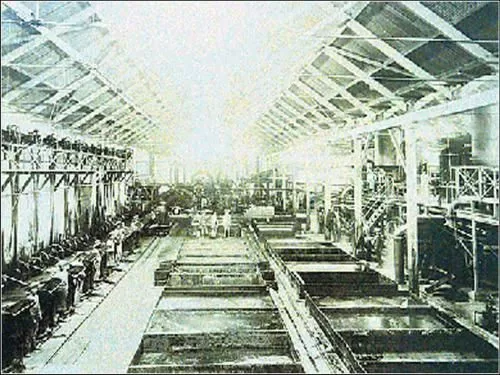
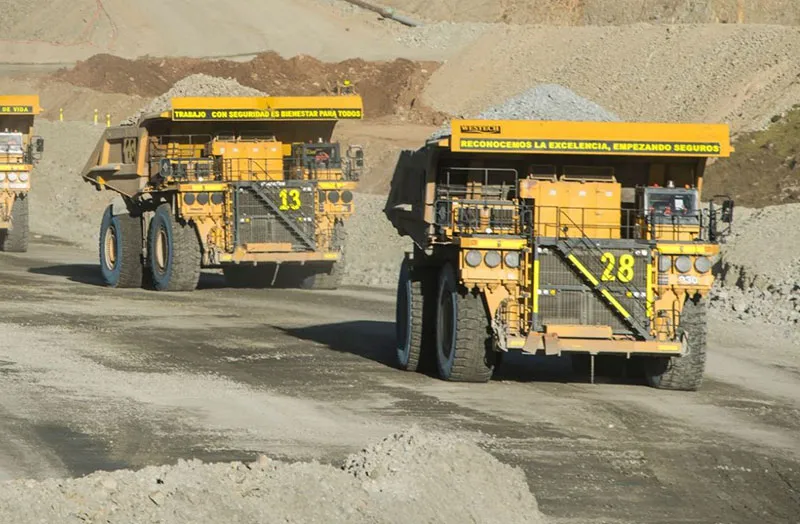
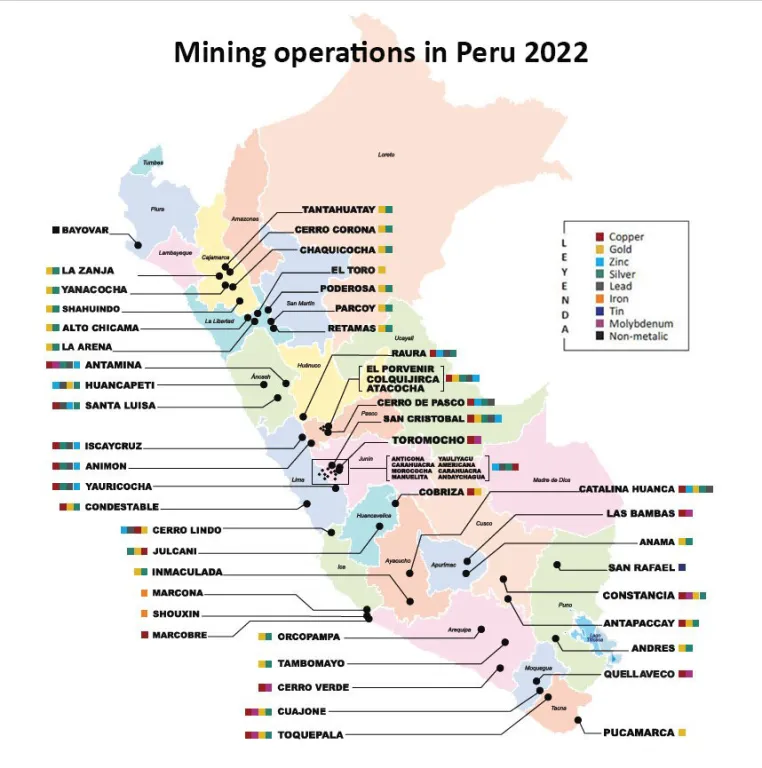
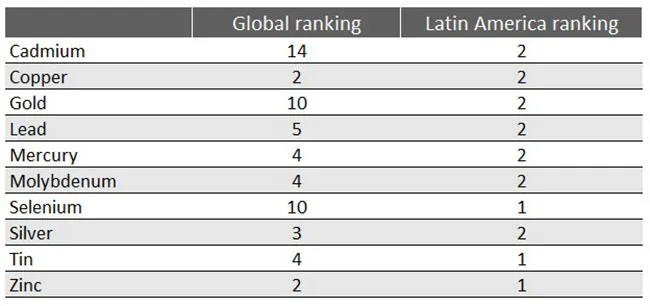
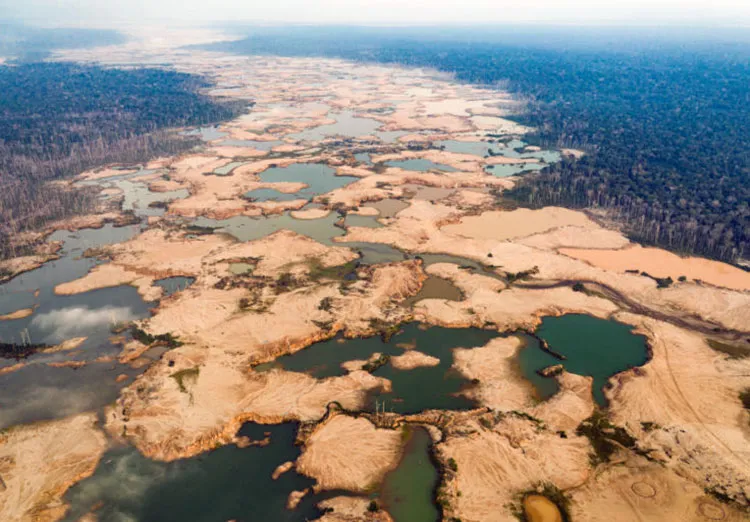
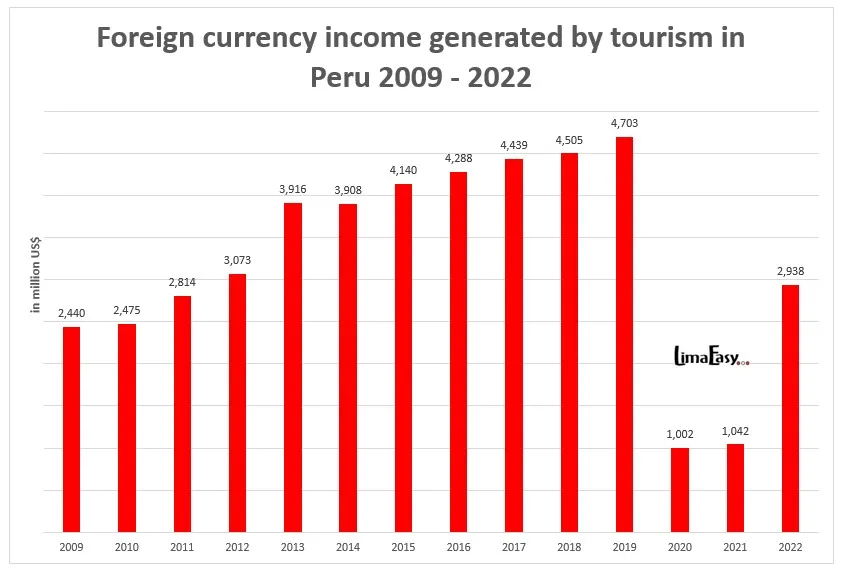
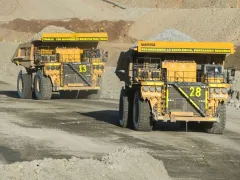
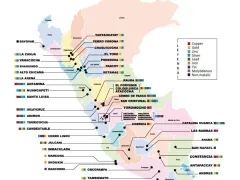
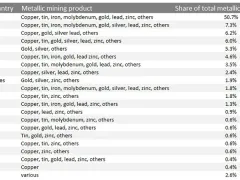
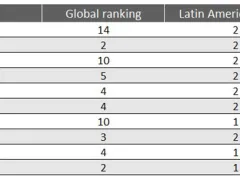
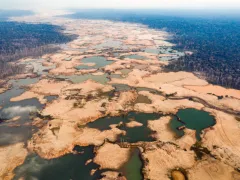
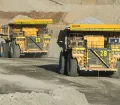
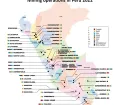
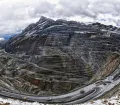
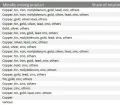
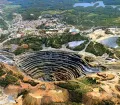
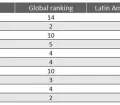
Mining represents an important source of foreign currency and the reason why a significant part of investments have been carried out in the country over the last decade. Even though only around 10% of the territory with mining potential has been explored and 6% are currently mined already now exports of the mining sector mainly drives Peru's economy today. The principal minerals extracted in Peru are silver, zinc, copper, molybdenum, lead and gold. According to the U.S. Geological Survey, Mineral Commodity Summaries from January 2012, Peru ranks worldwide on preferential places in mining these metals: Silver 2st, Zinc 3rd, Copper 3th, Molybdenum 4th, Lead 4th and Gold 6th.
Non-metal minerals are mostly used nationally in the construction materials industry, ceramics industry, and in a lesser degree the fertilizer and chemicals industry. Local companies are aiming for export of products or by-products. Among the non-metal minerals with greater potential are diatomite, bentonite and borates as well as phosphates.
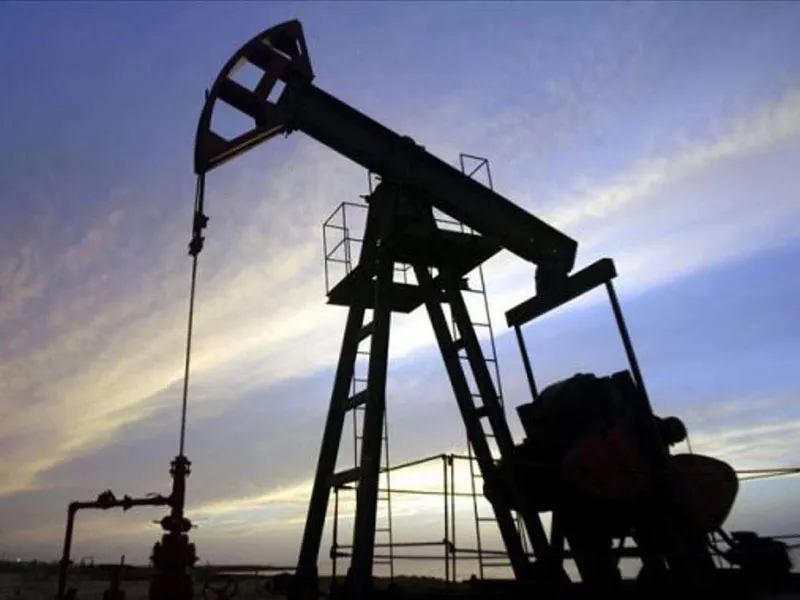
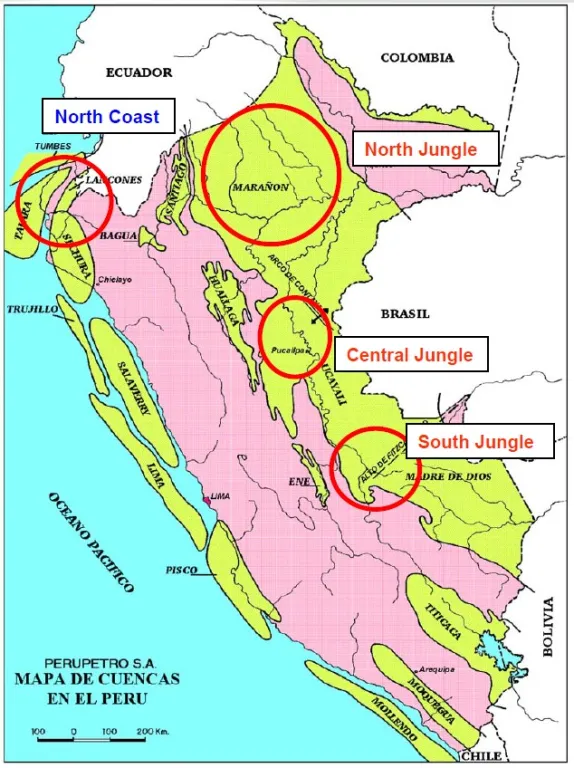
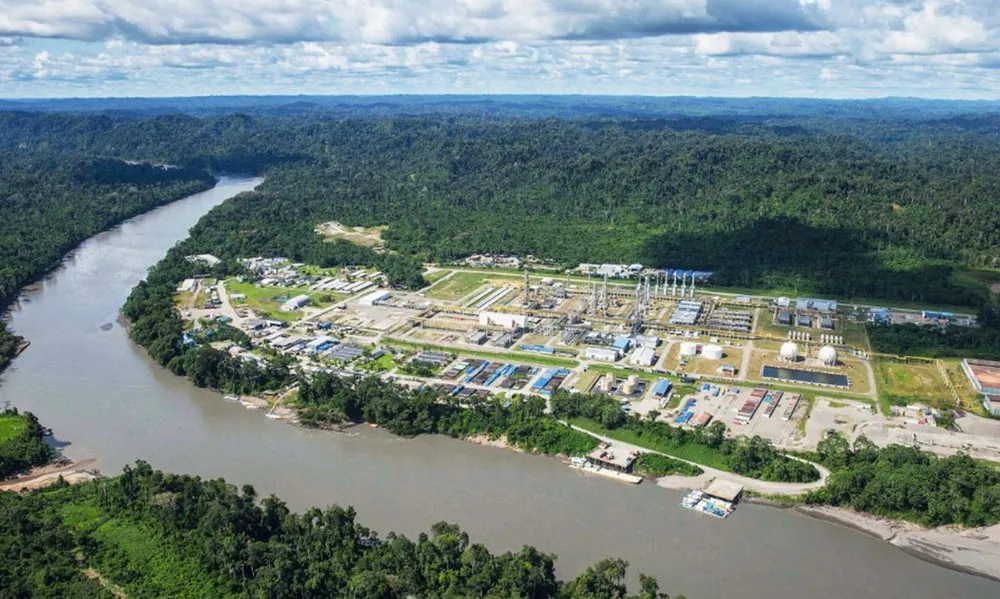
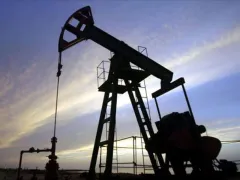
It can be expected that (foreign) investment within the mining and hydrocarbon sectors will continue and even grow in the coming years.
Fishing
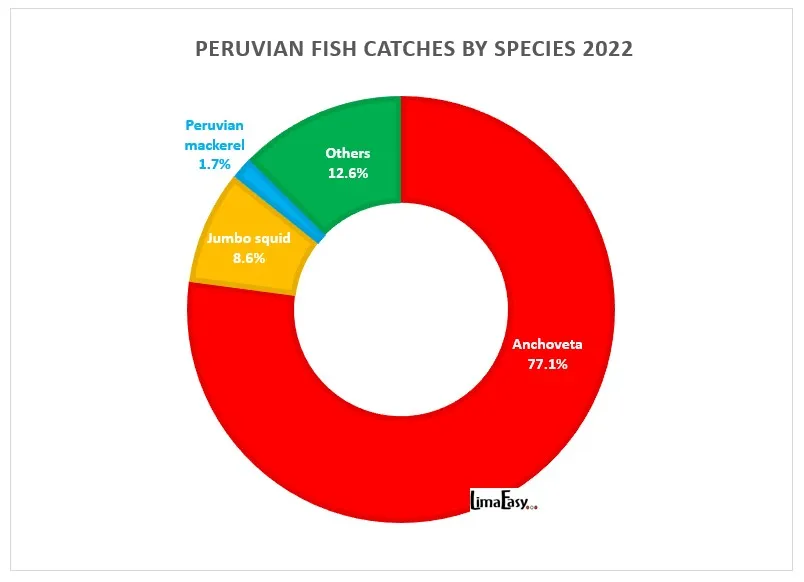
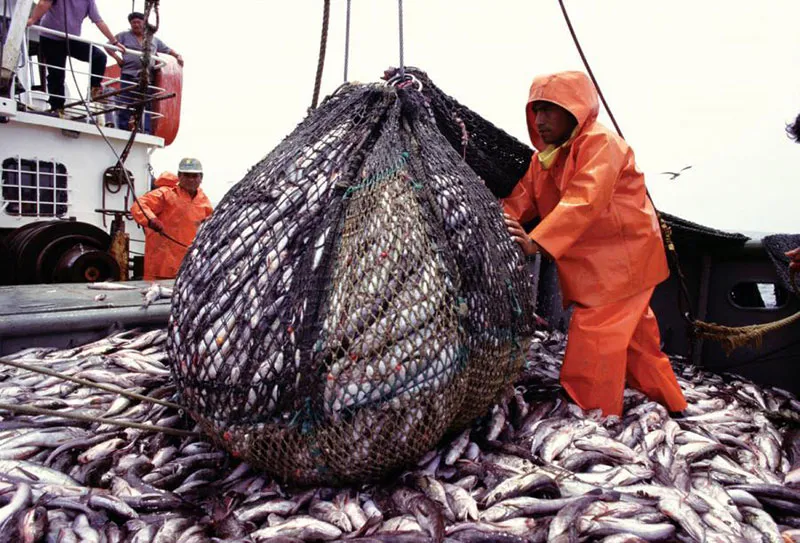
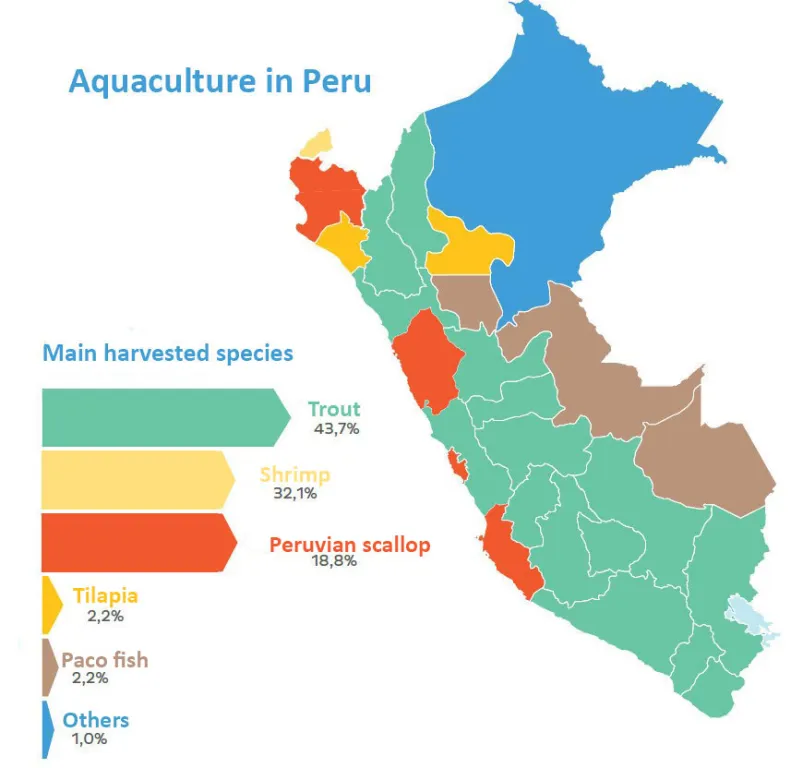
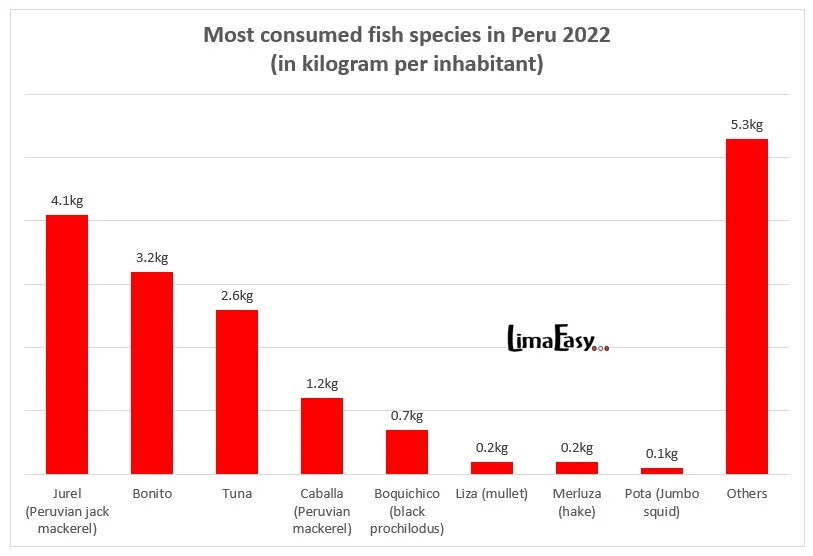
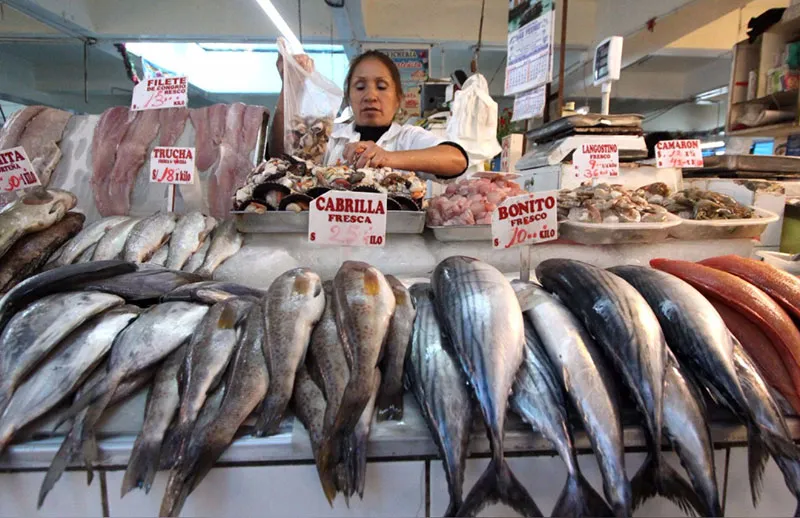
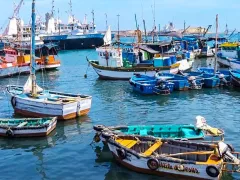
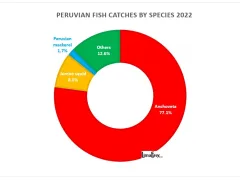
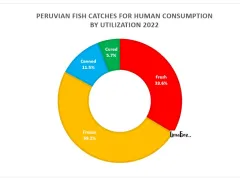
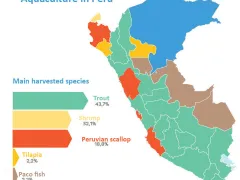
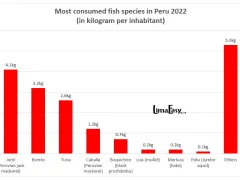
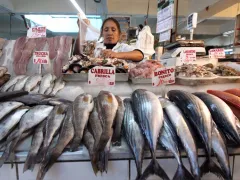
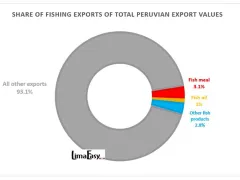
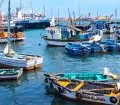
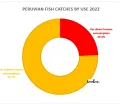
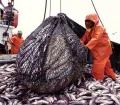
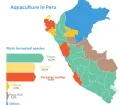
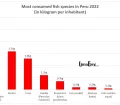
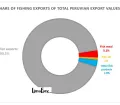
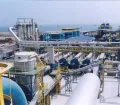
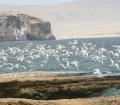
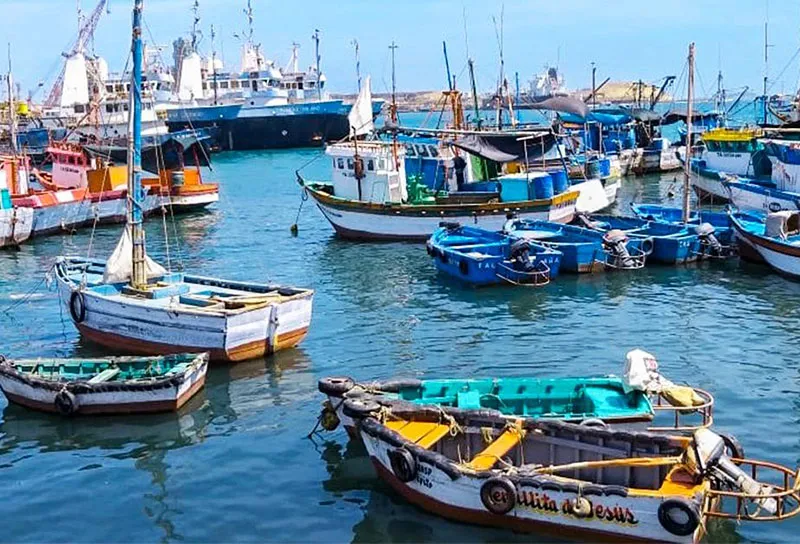
Fishing is one of Peru's main productive activities and a major export sector. With nearly 2500 km of coastline and the rich, cold-water Humboldt Current Peru's maritime "territory" is home to a great diversity of fish, mollusk, crustacean, echinoderm and algae species. At the moment only around a fifth of the resources are exploited.
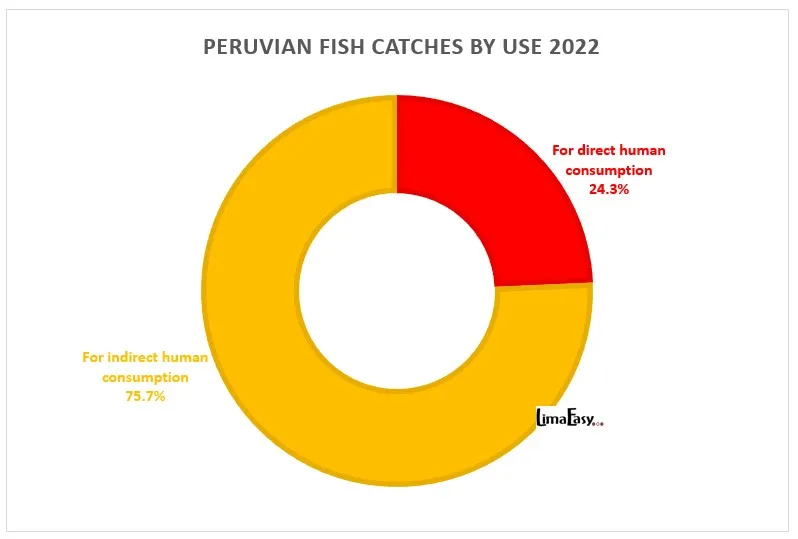
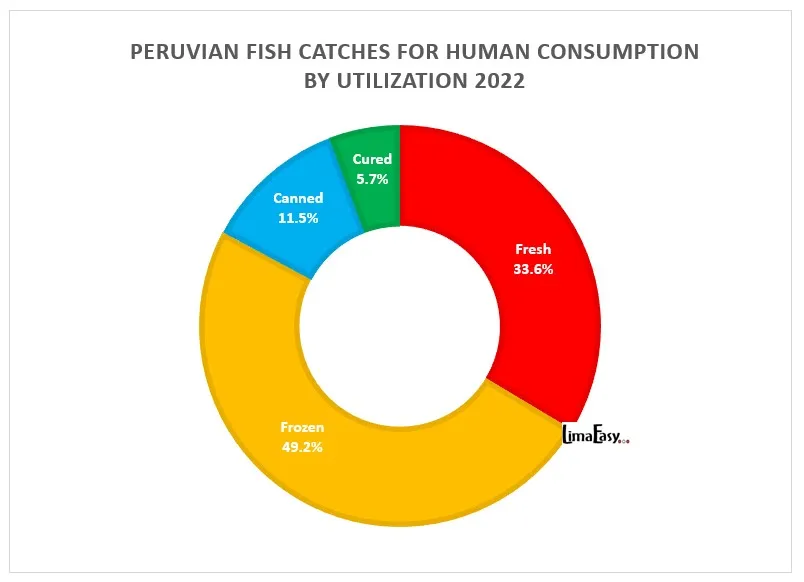
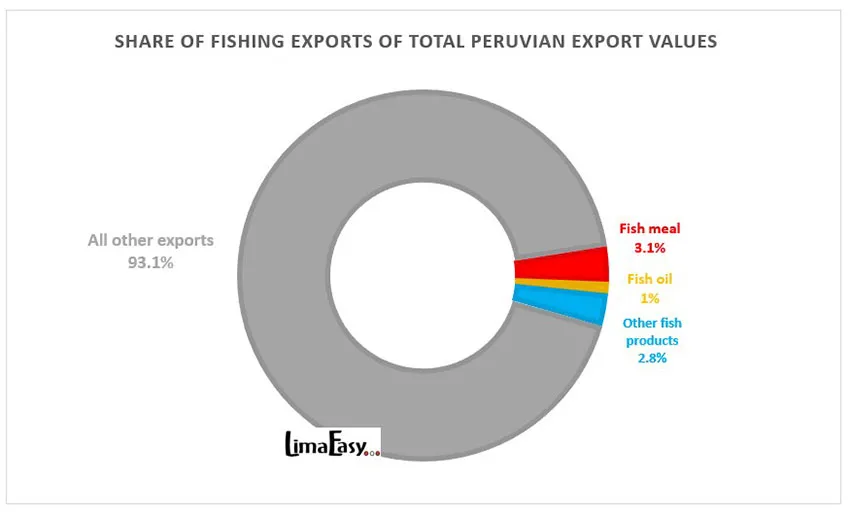
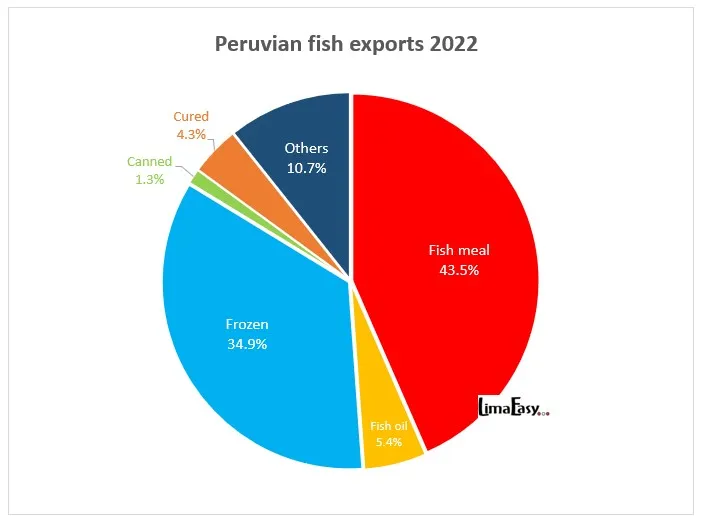
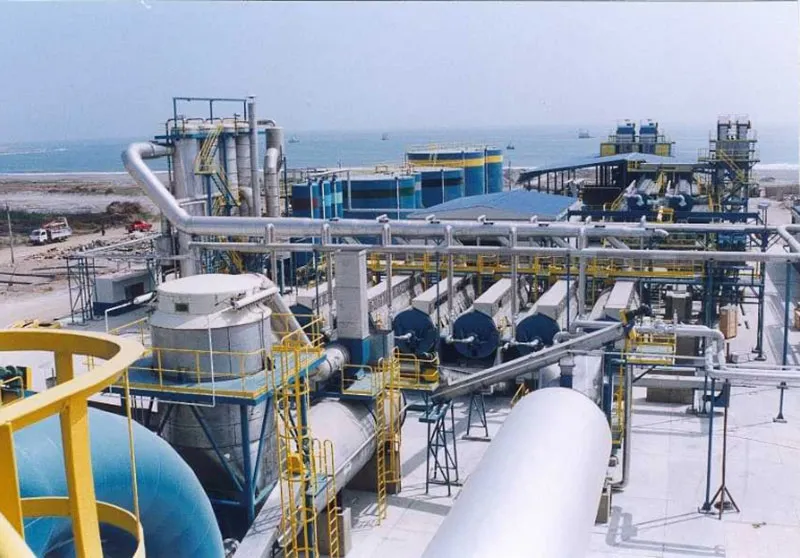
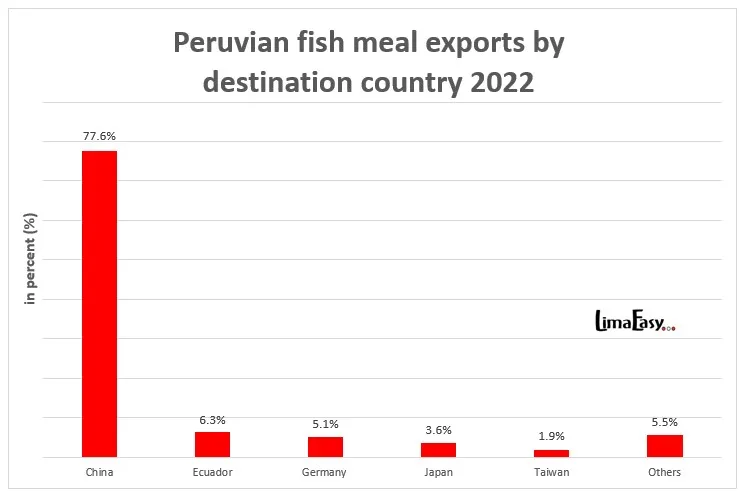
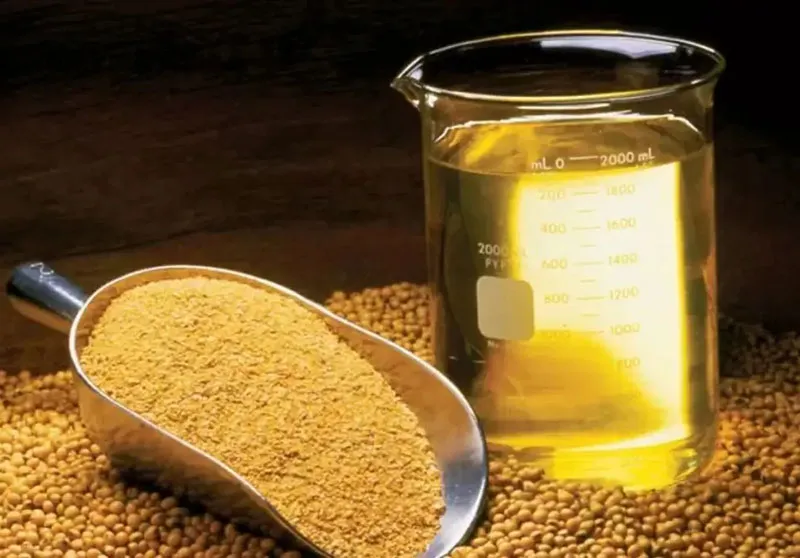
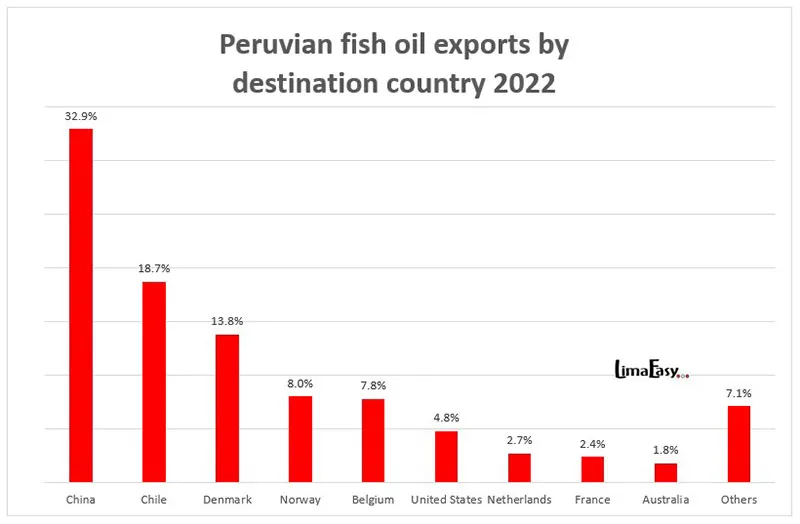
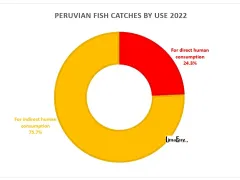
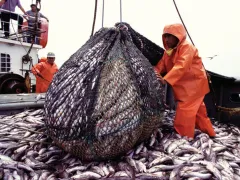
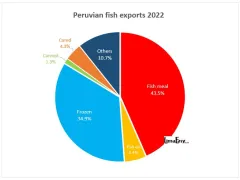
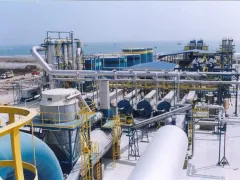
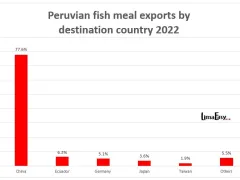
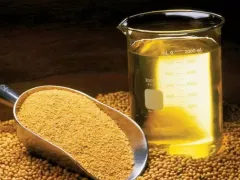
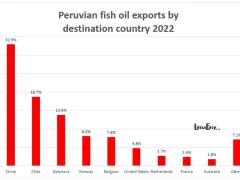
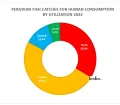
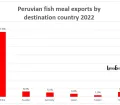
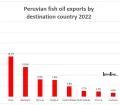
Peru's fishing industry is periodically controlled by the government, which has made an effort to reduce overfishing and enhance the sustainability of Peruvian fisheries by establishing a fishing quota. Additionally, the government imposes fishing bans contingent on the size of the fish. Nevertheless primary investments in processing plants during the 1960s paid off making Peru into a main world producer of fishmeal and fish oil (used as animal feed and fertilizer). Fish-meal is Peru's fourth largest. Over the last few years fish production for direct human consumption (frozen, canned and cured) gained importance.
Agriculture
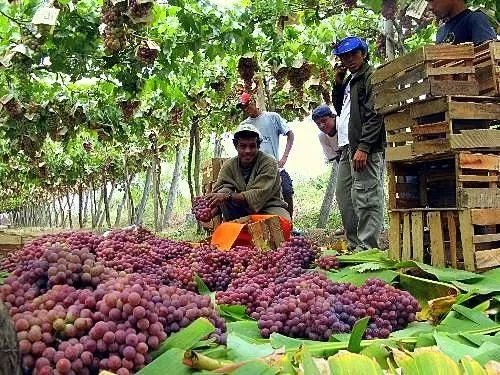
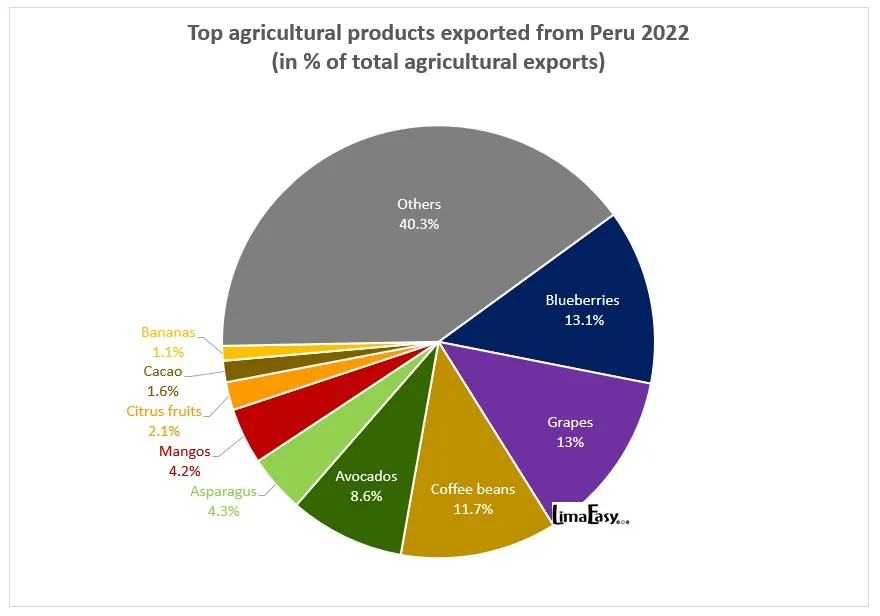
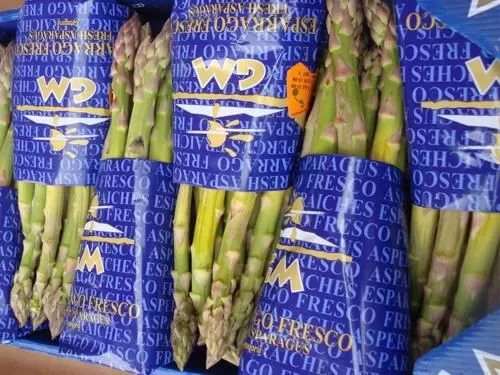
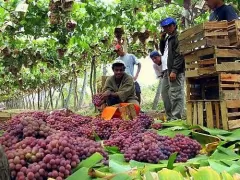
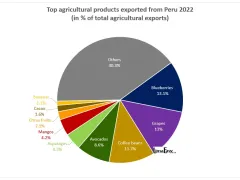
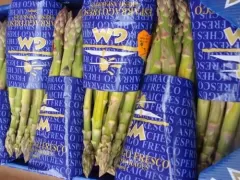
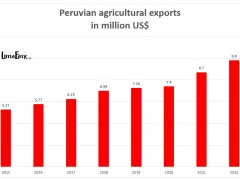
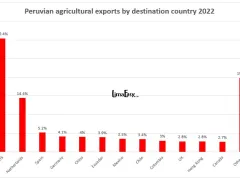
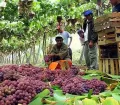
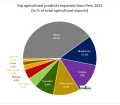
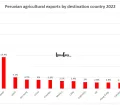
As a genetic resource Peru has 25,000 plants. It has nearly 4,400 species of native plants with known use like food, medicinal, ornamental, spicing, dyeing, gynecological, aromatic and cosmetic properties. Peru is a mega diverse country comprising 84 of the 104 life zones acknowledged in the world in its 11 natural eco-regions. This broad variety of climates allows growing practically any crop, some even all year round. Over the last 20 years the fruit and vegetable export industry in Peru has expanded rapidly and has made Peru an important player in world markets for a number of commodities. Although coffee and sugar have been traditionally the main agricultural export products, Peru is more and more specializing in growing and exporting high price fruits and vegetables. Peru is the leading exporting country in the world of asparagus and dried paprika. Other significant exports are artichokes, mangoes, pepper, grapes, avocados, chestnuts, bananas, white onion and olives.
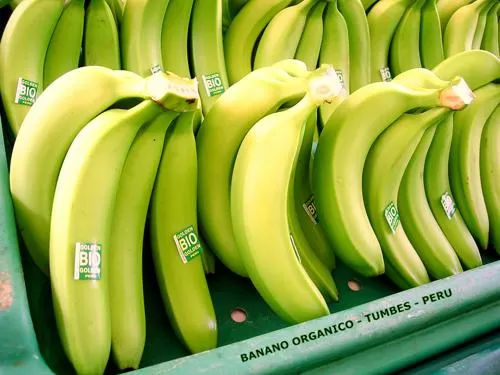
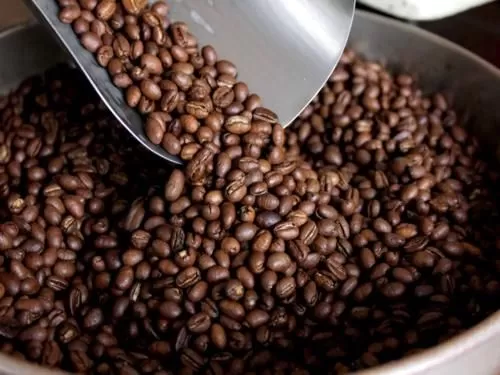
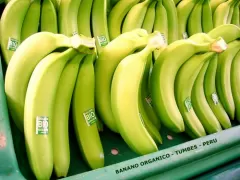
Over the last years Peru has become a major player in the organic food market, ranking under the top organic coffee and bananas exporters in the world. Other organic produce, such as mangoes, cotton and cocoa gained importance on the world markets as well. Additional Peru has numerous indigenous high protein products including Andean cereals such as quinoa, amaranth and tarwi as well as a huge variety of maize and potatoes, tropical fruits, herbs and flowers that still have to be discovered by world markets.
Peru is one of the world's leading growers of coca, from which the drug cocaine is refined. Coca leaves were used for years as a stimulant and appetite-suppressant by Native Americans of the sierra. Working with the U.S. Agency for International Development (USAID), the Peruvian Government carries out alternative development programs in the leading coca-growing areas in an effort to convince coca farmers not to grow that crop. Read more about this below under Narcotics.
Tourism
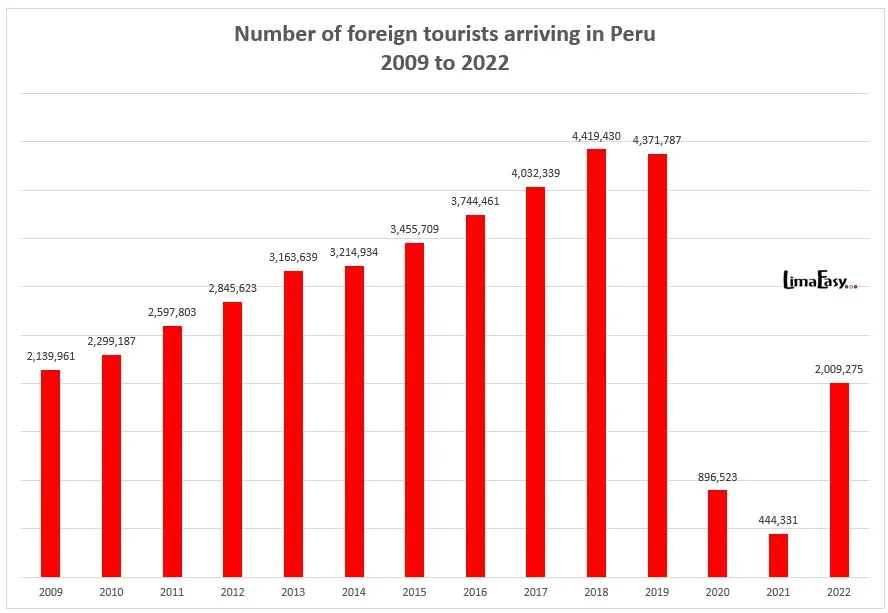
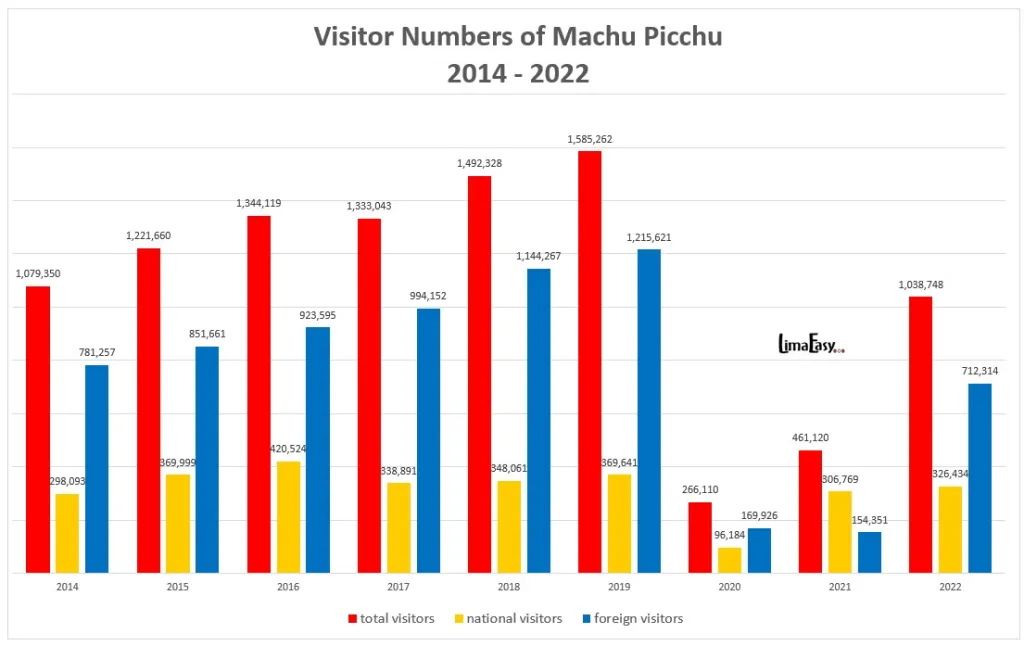
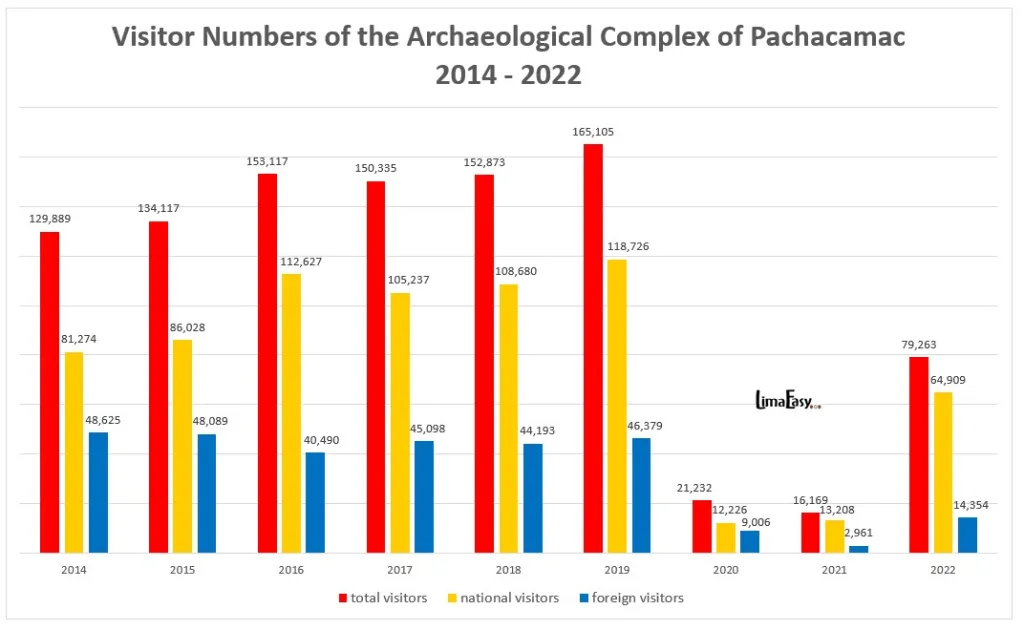
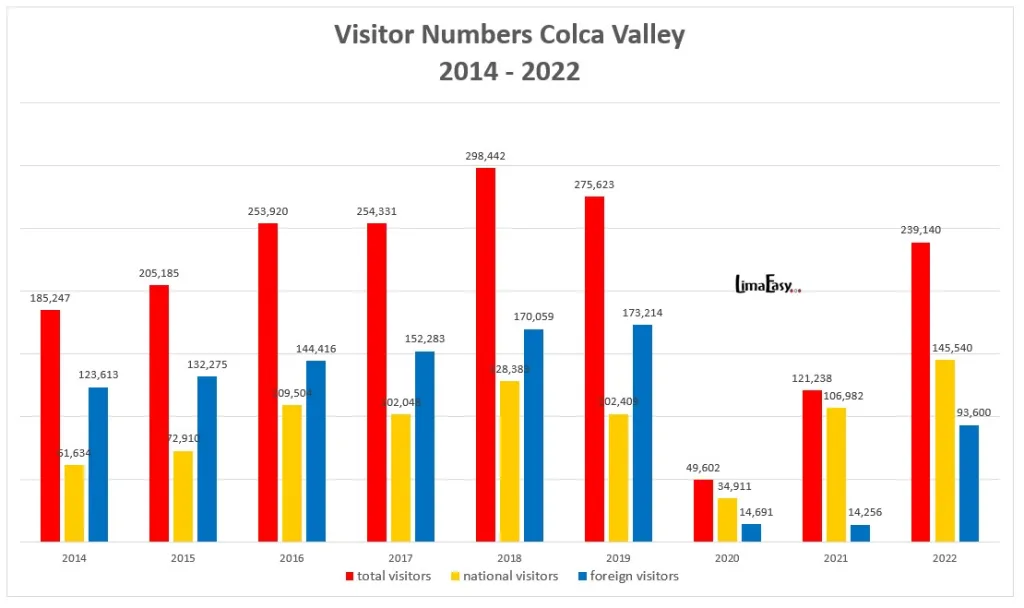
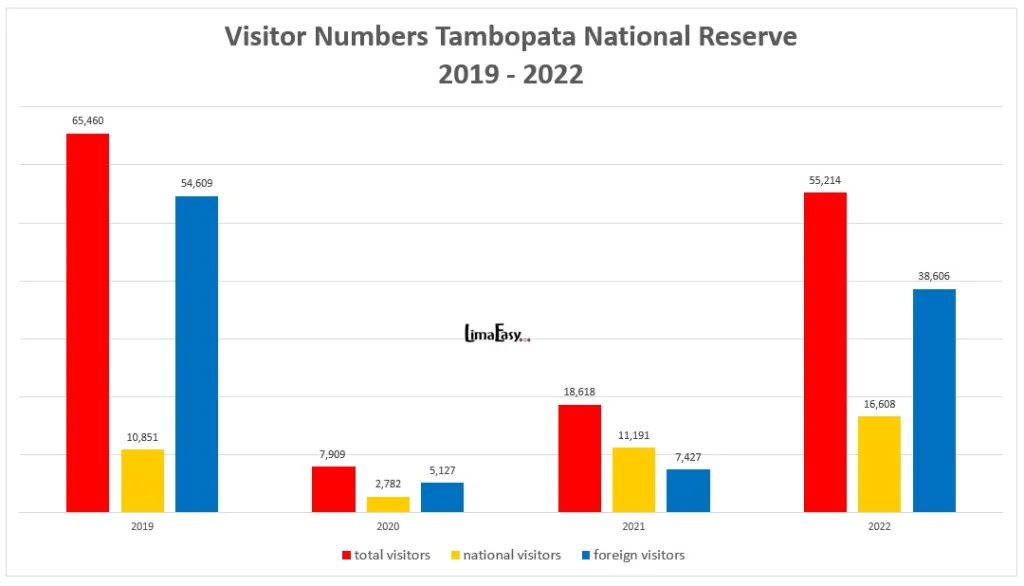
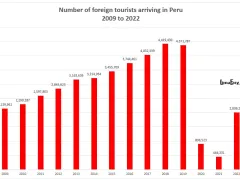
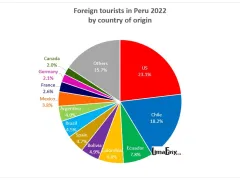
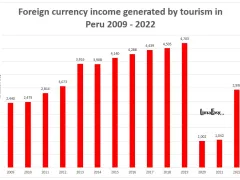
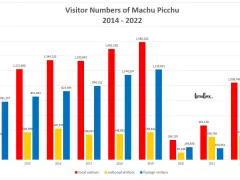
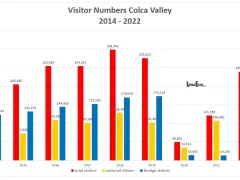
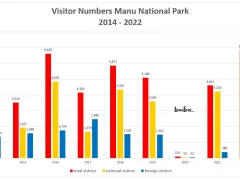
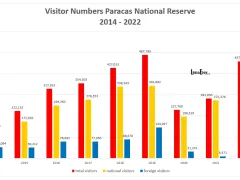
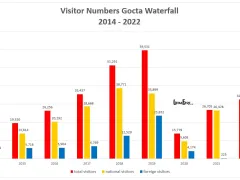
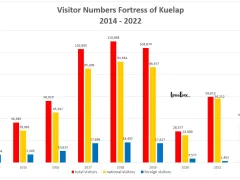
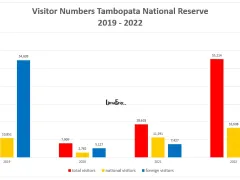
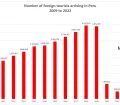
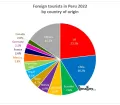
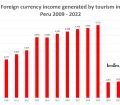
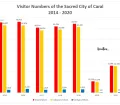
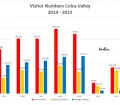
After years of political unrest and economic difficulties in the 1980s and 1990s Peru's tourism industry constantly increased over the last decade. A rich cultural and historical heritage, amazing archaeological sites, a great biodiversity (coast, highlands, and jungle) and an ever more internationally recognized gastronomy attract each year more tourists from around the world. Today tourism contributes significantly to Peru's revenues. In 2007 around 1.9 million foreign visitors came to Peru, in 2009 already 2.1 million visited, in 2010 2.2 million and in 2011 over 2.5 million paid the Land of the Incas a visit. And for 2012 Peru expects around 2.7 million tourist.
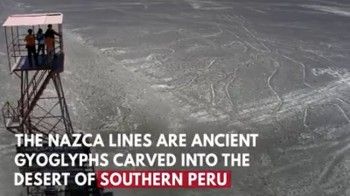
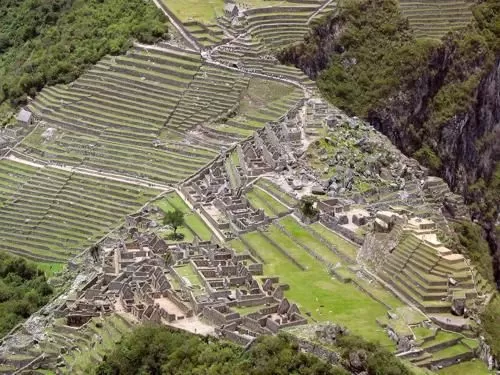
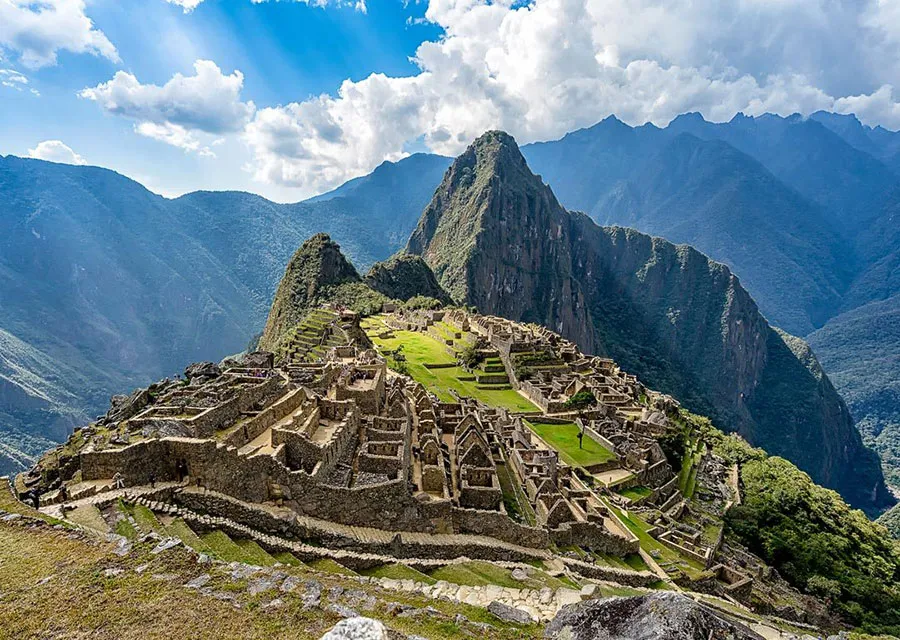
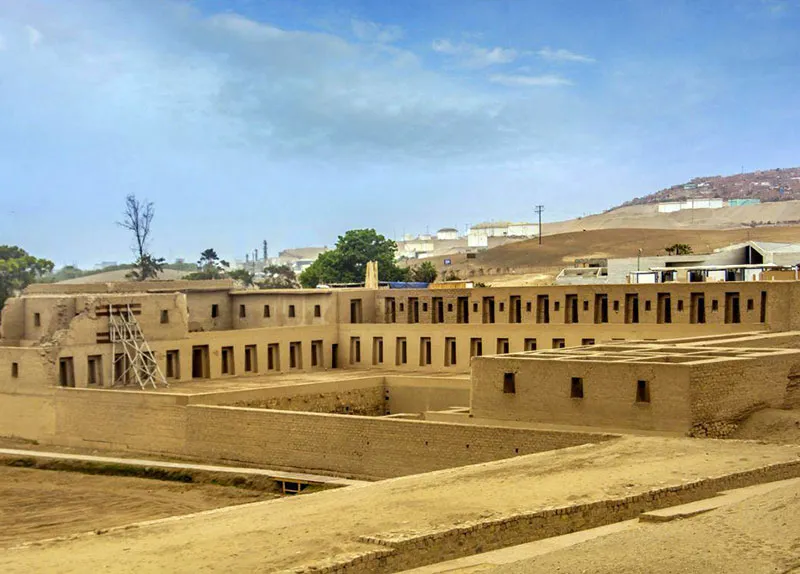
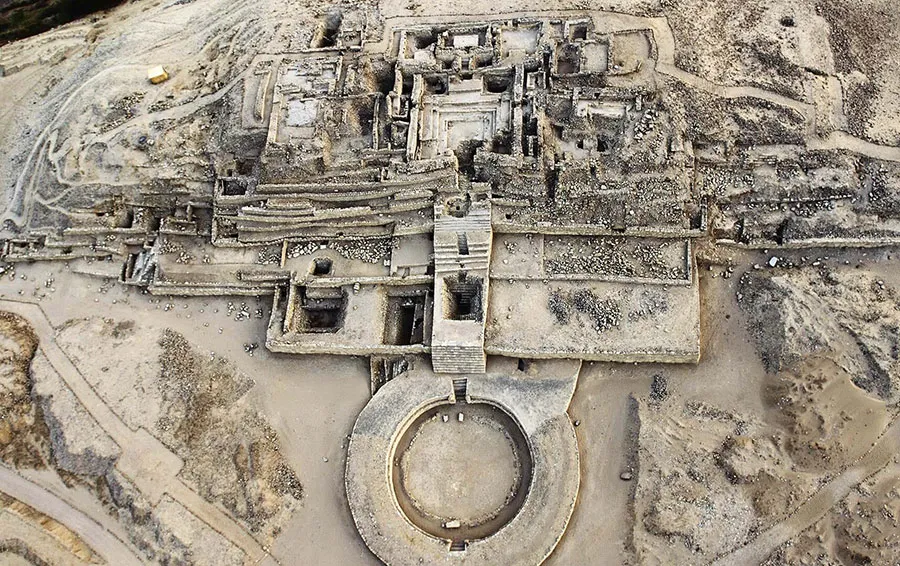
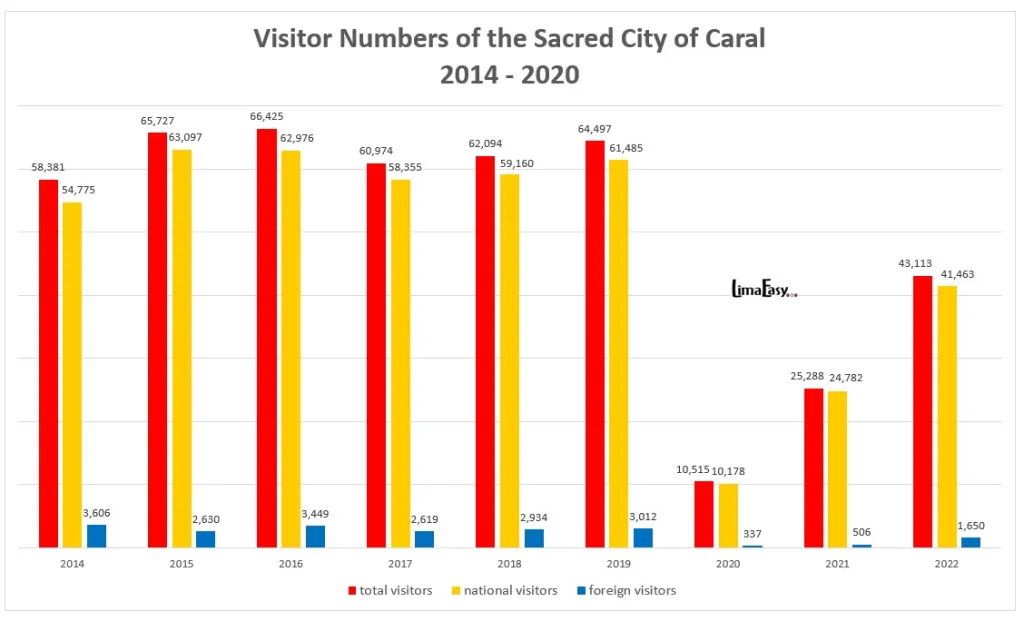
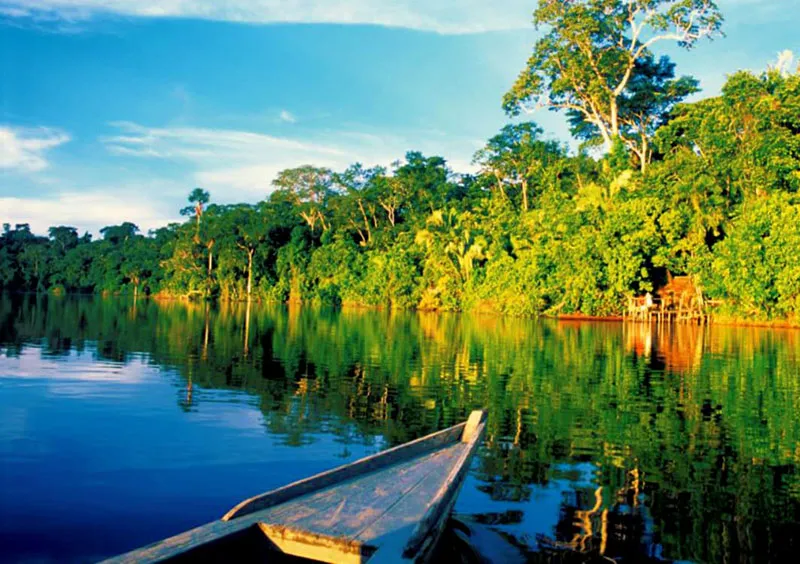
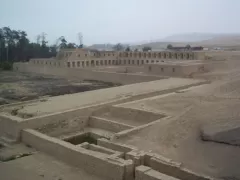
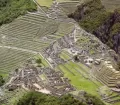
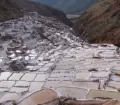
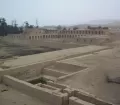
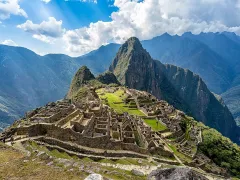
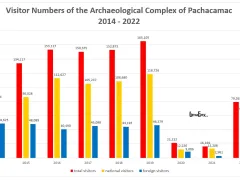
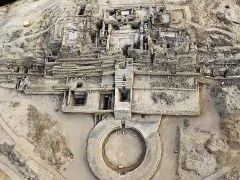
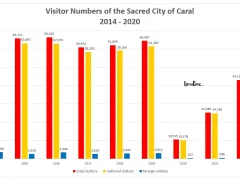
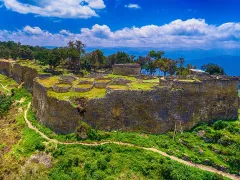
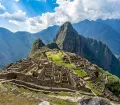
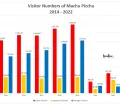
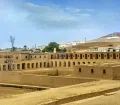
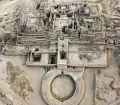
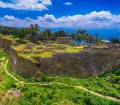
No wonder. Even though many foreign tourists mainly come to Peru to visit the archaeological site of Machu Picchu, there are many more that slowly become known, such as Caral, Chavin de Huantar, the Kuélap Fortress, Lord of Sipan and the Nazca Lines. Jungle tours are getting more popular and even the capital of Lima attracts with its beautiful historical city center, numerous museums, pre-Inca archaeological sites and a good infrastructure more visitors. Probably being the Gastronomic Capital of Latin America with diverse restaurant scene helps as well.
Textile
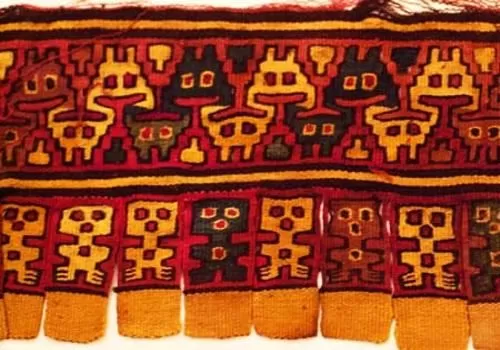
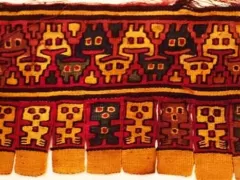
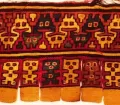
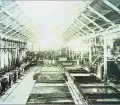
The Peruvian textile industry has its origin in the ancient cultivation of cotton and extraordinary textile dyeing and weaving techniques developed by pre-Colombian cultures. The stunning growth of textile infrastructure in Peru is primarily due to textile production being recognized as a strategic business for the country. While still much of manufacturing in Peru is on the small scale, over the past 10 years factories mainly along the Peruvian coast have invested in state-of-the-art technology. Automatic sewing machines, centralized dyestuff dispensing units, modern dyeing machines, compacting machines, foulard's and other finishing equipment ensure the highest quality textiles. Peruvian pima cotton is one of the finest cottons in the world and provides the industry with an exceptionally long fiber famous for its strength, luster and softness. Peruvian Alpaca fiber and especially Peruvian Baby Alpaca wool are recognized around the world.
Forestry
The Peruvian government has made serious efforts to protect its natural resources and wildlife whilst stimulating its forest industry through the allocation of concessions for sustainable forest management. However Peru has yet to take advantage of the around 50% of the country's land area covered by forest. Especially infrastructure problems leave the huge forest potential in impoverished and illegal coca-producing areas untouched. Even though the sector grew over the last few years, the trade balance in terms of wood products is negative. Today forest products include balsa lumber, balata gum, rubber and a variety of medicinal plants. Notable among the latter is the cinchona plant, from which quinine is derived (anti malaria medicine).
Narcotics
Since ancient times the cultivation of coca leaves (the raw material required to make cocaine) has a cultural and social significance for the indigenous people of Peru. Until today the stimulant effects of the coca leave are used for medical purposes and in traditional religious ceremonies. Coca tea (mate de coca), legal in Peru and sold in every supermarket, is often recommended for travelers in the Andes to prevent and relieve the symptoms of Altitude Sickness. Offered as well coca flour, coca energy drinks, coca energy bars and coca sweats.
Nevertheless it's undeniable that most of the coca production is used for the cocaine industry. Illegal coca leave cultivation and cocaine production in Peru increased dramatically. In 2000 coca bushes were grown on around 43,400 ha land; in 2010 this number has gone up more than 41% to 61,200 ha. Efforts of the Peruvian government to stem the problem don't really show effects. Even though the Peruvian government working together with different international cocaine buyer countries started a War against Drugs and carries out alternative development programs in the leading coca-growing areas in an effort to convince coca farmers not to grow that crop. Unfortunately these efforts had little impact on the production of coca. In most of these impoverished regions cocaine production is the only income source of farmers. Today Peru is one of the leading coca growers and among the top cocaine producers. Peruvian officials estimate that cocaine production for 2010 reached around 330 tons.
Economic Perspective
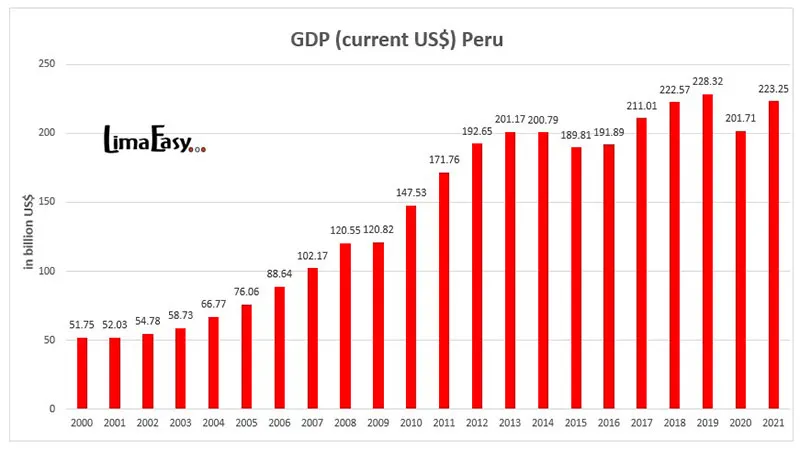
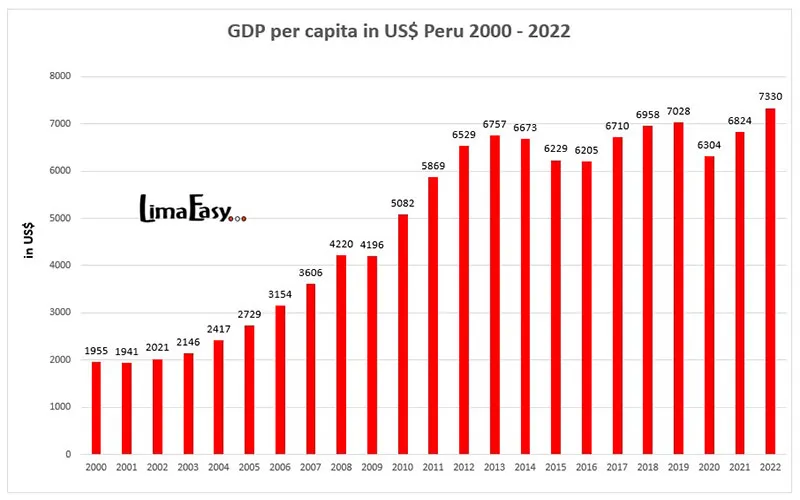
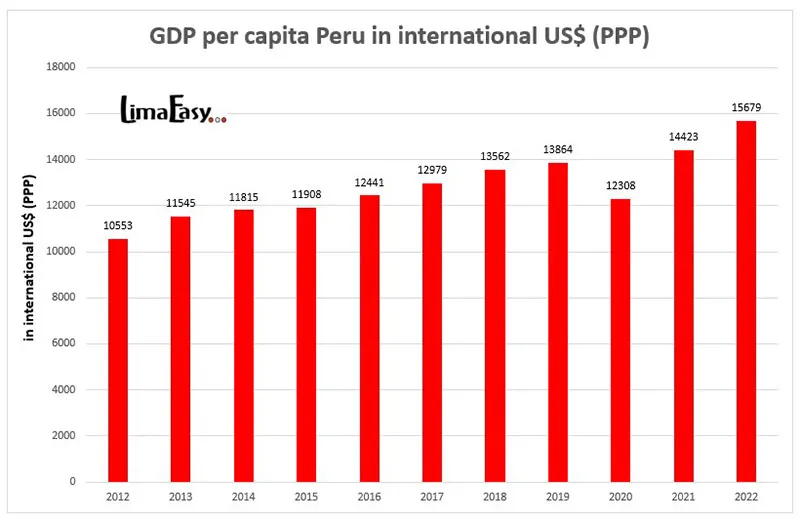
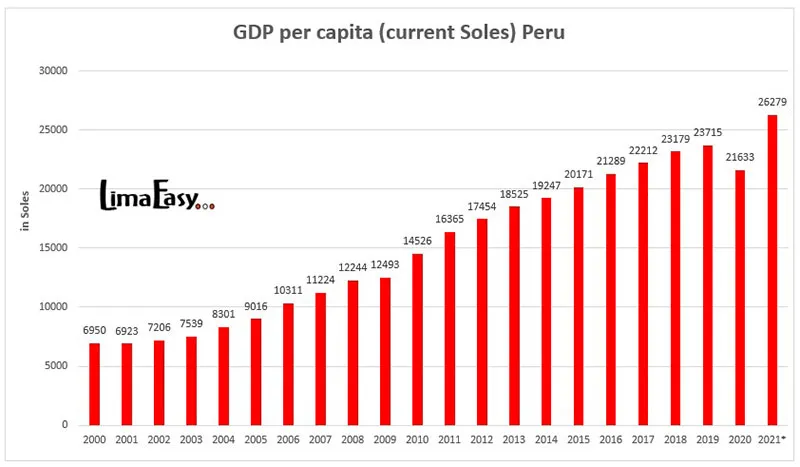
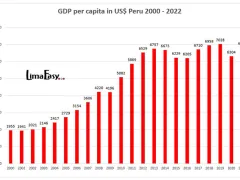
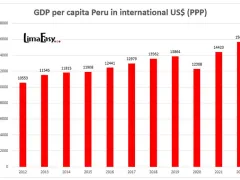
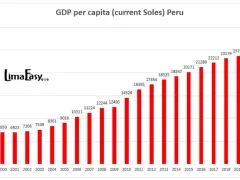
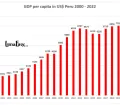
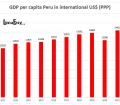
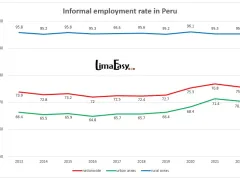
Peru is one of the most vibrant economies in the world. The country's economic performance has been very strong with a decade long expansion resulting in tripling of the per capita income and a 20% fall in poverty rates. But Peru's economy is mainly driven by exports making the country vulnerable to fluctuations in world market prices and to the overall performance of the worldwide economy. Nevertheless Peru's economic future is assumed to be bright with a growing economy, low inflation and increasing investments. On the other hand the country still has to deal with some big challenges, especially regarding social issues. Despite some recent improvements, its income distribution is unequal. Widespread rural poverty, lack of overall infrastructure and social services especially in rural areas might affect growth and causes more and more social and political conflicts. Peru as well still has to conquer its huge informal sector and the problems arising with drug production and narco-trafficking.
Sources
- BCRP - Banco Central de la Reserva
Website: http://www.bcrp.gob.pe/ - INEI - Instituto Nacional de Estadistica e Informatica
Website: http://www.inei.gob.pe/ - SUNAT - Superintendencia Nacional de Aduanas y de Administracion Tributaria
Website: http://www.sunat.gob.pe/ - PRODUCE - Ministerio de la Produccion
Website: http://www.produce.gob.pe/ - MINAG - Ministerio de Agricultura
Website: http://www.minag.gob.pe/ - MINEM - Ministerio de Energia y Minas
Website: http://www.minem.gob.pe/ - MEF - Ministerio de Economia y Finanzas
Website: http://www.mef.gob.pe/ - MINCETUR - Ministerio de Comercio Exterior y Turismo
Website: http://www.mincetur.gob.pe/ - PROMPERU - Comision de Promocion del Peru para la Exportacion y el Turismo
Website: http://www.promperu.gob.pe/ - ProInversion - Agencia de Promocion de la Inversion Privado Peru
Website: http://www.proinversion.gob.pe/ - World Bank
Website: http://www.worldbank.org/ - UNODC - United Nations Office on Drugs and Crime
Website: http://www.unodc.org/ - US Department of State
Website: http://www.state.gov/


Comments