
-
Delicious Temptations

Lomo Saltado
Lomo Saltado is one of the most popular and iconic Peruvian dishes. It is a comfort food that can be found nearly everywhere in Peru, prepared at home for family and friends, in simple restaurants and up-scale places alike, and…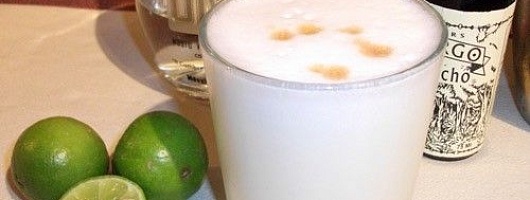
Peruvian Pisco Sour
Peru’s national drink and most popular cocktail is surely the famous Pisco Sour. It is the welcome drink in Peru and served for literally any occasion. In the original sense, Leche de Tigre (meaning Tiger’s Milk), is the marinating liquid left on the plate after having finished a Ceviche,…
 Salsa Criolla probably is the most important and most popular side dish in Peru. Prepared with red onions, aji amarillo, the juice of…
 Tequeños are known in all Latin America. In Peru, they are very popular as starter, light lunch or small snack in the evening at a bar…
 Peru’s celebrated cuisine is not only about famous chefs, outstanding dishes or the abundance of fresh fruits and vegetables, but as well…
 Papa rellena, meaning stuffed potato, is a traditional and popular dish full of Peruvian flavors which is eaten as starter, for lunch or…
 Tamales are a very traditional Latin American dish. In Peru Tamales come in many forms and sizes. Each region, even each town or family has…
 Chilcano, or also known as Chilcanito, is one of the most popular long drinks in Peru - and my personal favorite. It is based on Peru’s…
 Creamy, sweet Manjar Blanco embedded in two almost powdery cookies, this is a traditional, absolutely delicious and addicting Peruvian…
 A Cremolada is something between an ice cream and a flavorful fruit drink; comparable to slush, but made with lots of fresh fruit pulp,…
 Crema Volteada, literally meaning "upside down cream", is probably better known as the Peruvian version of Crème Caramel. Sweet and rich…
Legal Stuff

Extension of a Migraciones deadline
During the internal evaluation and approval process of your visa application (Cambio de calidad migratoria) or of the application for the extension of your visa, Migraciones may discover that you haven’t uploaded all required…
Subsanacion - Submitting documents
During the internal evaluation and approval process of any application on the Agencia Digital, Migraciones may discover that you haven’t uploaded all required documents, that an uploaded document isn’t to their liking or they… On May 2, 2023, the Peruvian government put a law (Ley 31732) into effect granting foreigners, who violated…
 If any of your information, which is printed on your carné or which is registered in the Migraciones…
 Foreigners whose carné de extranjería (CE) or CTM or CPP was stolen, is lost or damaged must apply for the…
 When your Peruvian residence visa is approved, you get the Carné de Extranjería, your Peruvian foreigner ID.…
 In Peru, a residence visa, so the permit allowing you to live in the country (not the carné, the card), is…
 Tourists who stayed longer than the number of days they were given when they entered Peru must pay a fine…
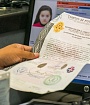 To travel abroad (so to leave Peru) alone, accompanied by only one parent or by another adult, or to travel…
 One of the requirements to apply for a resident visa in Peru or to change your visa type, for example from a…
 While during the height of the Corona pandemic Peru eliminated the stamping of passports when entering the…
 Until October 12, 2022 everyone - visitor, resident and Peruvian; adult and child; vaccinated or unvaccinated…
Peruvian Visa Types

Business Visa for Peru
Foreigners who travel temporary to Peru for business related reasons that do not include actual labor or gainful employment have to apply for a business visa at a Peruvian consulate before entering the country or, if they can…
Peruvian Digital Nomad Visa
On November 14, 2023, a new Foreigner Law, Decreto Legislativo 1582, was published introducing a resident visa for digital nomads, remote workers and freelancers in Peru for the first time. Some family members of Peruvian nationals and foreigners with a resident status in Peru have the right to a family union and can apply for…
 Priests, nuns, and missionaries who want to stay in Peru to perform religious or missionary activities can apply for a religious visa,…
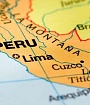 Foreign nationals who can travel to Peru visa-free, enter Peru as a tourist and then apply for their residence visa at Migraciones in Peru.…
 Foreigners, who receive a state or private pension including social security pension, government pension, employment related pension, union…
 Foreigners planning to study at a Peruvian educational institution or to do an internship / apprenticeship (without payment!) at a Peruvian…
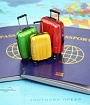 When planning a trip to Peru, eventually bureaucratic and visa related matters come to mind. As finding detailed and up-to-date information…
 While Peru has a volunteer visa, the so-called “visa cooperante” (cooperation visa), getting one is such a bureaucratic mess and in most…
 Foreigners who have a valid and legally signed work contract with a Peruvian company that was approved by the Peruvian Labor Ministry or…
The History of Peru
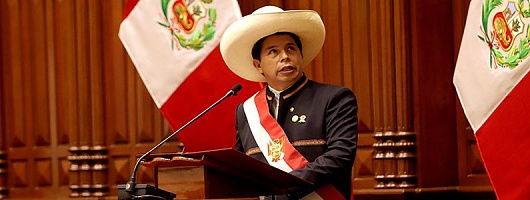
President Pedro Castillo from 2021 to 2022
The 2021 presidential election saw far-left Pedro Castillo, a political greenhorn in Lima, and hard-right Keiko Fujimori, who is not only the daughter of former president Alberto Fujimori, but as well an old-timer on the…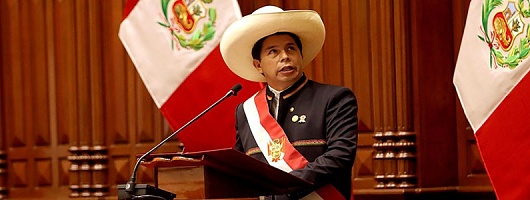
Pedro Castillo (1969 - )
José Pedro Castillo Terrones is a former member of the Rondas campesinas, elementary school teacher and union leader. He was the President of Peru from July 28, 2021 until he was removed from office on December 7, 2022. On Acuri's thirteenth birthday, his father, the thunder god Paricaca, said: "My son, disguise yourself as a…
 Pacha, (in allusion to “Pachamama” is a goddess revered by the indigenous peoples of the Andes. In Inca…
 A long time ago, the Shipibo of the Ucayali River lived in Cumancava, a place surrounded by rain forests,…
 Something or someone made a terrible noise in the bush. So long and deep was that noise that one of Paulita’s…
 Near the sea in the area of the Peruvian desert coast lay one of the most beautiful vegetable gardens. It is…
 Maria Reiche was born on the 15th of May 1903 in the historic city of Dresden, the German center of art and…
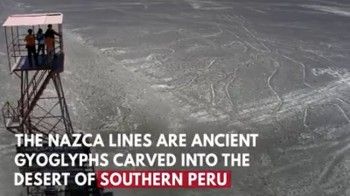
 In the 1920s, when people first flew across southern Peru, they made an astonishing discovery. Stretching…
 As a mixed-race man born in Peru, Saint Martin de Porres is a representative of three continents; his mother…
 Ana Velázquez hurried out of the barrios of Lima and onto the plaza. She carried a quiet baby, wrapped…
 Long ago, when men and women worshipped the sun for its warmth and life, there lived a mighty Inca Emperor.…
Peruvian Money Guide
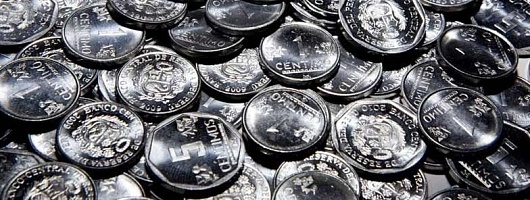
Current Peruvian Coins
Like the current Peruvian banknotes, the Peruvian coins in circulation reflect the country's rich historical and cultural past, but additionally as well Peru’s abundance of natural wealth. Their high-quality and beautiful…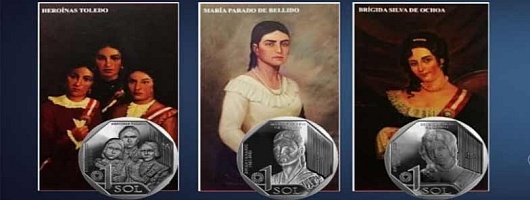
The Woman in the Process of Independence Coin Series
In commemoration of the bicentenary of Peru's independence from Spain, the Peruvian Central Reserve Bank (BCRP) issued the numismatic series “La Mujer en el proceso de la Independencia” (The Woman in the Process of Independence).… In commemoration of the bicentenary of Peru's independence from Spain, the Peruvian Central Reserve Bank…
 The numismatic series "Fauna Silvestre Amenazada del Perú" (Threatened Wildlife of Peru) was issued by the…
 The numismatic series "Recursos Naturales del Peru" (Natural Resources of Peru) was issued by the Peruvian…
 The numismatic series "Riqueza y Orgullo del Perú" (Wealth and Pride of Peru) was issued by the Peruvian…
 The current banknotes of Peru are not only lovely with famous Peruvian personalities on the front and either…
 Peru hasn’t got a tipping culture or obligation as we know them from other countries and usually Peruvians…
 With Peru becoming extremely attractive with travelers, expats and investors over the past years, and family…
 When traveling you of course need money. Even though debit and credit cards are at least in major cities…
 In Peru US Dollars and Euros can be exchanged to local currency, the Peruvian Sol, easily without…
 Over the past decade Peru established itself as the world leader in counterfeit money output producing the…

lima·easy - /ˈli mə/ - /ˈi zi/
This website is made by te-media - Creative Digital Solutions. All profits we make from it through advertising and other channels go back into the project. te-media also publishes:


In loving memory of "Jack" & "Lola"